Articles written by
arabian post staff

Arabian Post Staff -Dubai The UAE has cemented itself as a hub for high-net-worth individuals (HNWIs), with an influx of the world’s ultra-wealthy seeking refuge in its stable economic and political climate. Analysts highlight a surge in wealthy expatriates relocating to the region, driven by factors such as geopolitical instability, tax incentives, and a thriving real estate market. A UBS executive predicts that investments in the Middle […]

The Louvre Museum, a cultural centerpiece in Paris, has announced that it will remain open every day until the end of December, including its usual closure day on Mondays. This adjustment is part of its celebration of the holiday season, accommodating the anticipated surge of visitors during this festive period.

Typically closed on Mondays and some public holidays, the Louvre has expanded its schedule to offer uninterrupted access. This temporary change aims to enhance the visitor experience by reducing overcrowding during peak holiday travel times. Extended hours on Fridays until 9:45 PM will remain, complementing regular opening times of 9 AM to 6 PM on other days.

As one of the most visited museums globally, the Louvre houses iconic pieces such as the *Mona Lisa* and the *Venus de Milo*. Its daily operations attract millions of art lovers annually, with the holiday season traditionally seeing a significant uptick in attendance. By eliminating Monday closures, the museum anticipates improved accessibility and shorter wait times for its diverse audience, ranging from casual tourists to dedicated art historians.

This initiative coincides with several winter exhibitions, including displays celebrating French artistic heritage and curated collections from international contributors. The Louvre’s management has emphasized its commitment to making art more accessible while supporting Paris’s appeal as a global cultural hub during the holidays.

The Dubai Marathon is set to take place on January 12, 2025, offering a chance for elite athletes, casual runners, and families to take part in one of the region’s premier sporting events. Organized annually in the UAE’s largest city, the marathon continues to attract competitors from all over the world, further establishing its reputation as a leading global race.

For 2025, participants will have the opportunity to select from three race distances: the full marathon at 42 kilometers, a 10-kilometer race, and a family-friendly 4-kilometer fun run. This range of distances ensures that runners of all experience levels can join in the festivities, making it an inclusive event for serious athletes as well as those seeking to enjoy a casual day of exercise with loved ones.

The Dubai Marathon has consistently drawn some of the world’s top marathoners, with elite runners frequently setting personal records on its fast, flat course. The race has been known for its excellent weather conditions in January, providing the perfect environment for long-distance running. Past editions have seen the fastest marathon times ever recorded in the region, with both men’s and women’s race winners setting impressive marks that often place them among the world’s best for the year.

In addition to the competitive aspect, the event is also celebrated as a festival of fitness, with spectators lining the course to cheer on participants. The 4 km family fun run, in particular, offers an accessible way for the local community to engage in the event. It is expected to attract families, schools, and casual runners, fostering a spirit of health and well-being among the population.

The 10-kilometer race, a middle distance, offers participants the chance to push their limits without the full commitment of a marathon. It has been a popular choice in past years, with a balanced challenge for seasoned runners looking to test their speed while still enjoying the atmosphere of a major marathon event.

The marathon’s reputation for world-class organization also contributes to its continued success. The event will offer participants a seamless experience, including state-of-the-art timing systems, hydration stations along the route, and on-site medical support to ensure runners’ safety. With the increasing popularity of marathons across the globe, the Dubai Marathon has successfully positioned itself as one of the premier races, drawing significant international attention.

Race organizers have also been focused on enhancing the experience for international visitors. Dubai’s status as a global tourism hub allows the event to attract not only participants but also tourists who wish to explore the city while participating in the race. The UAE’s infrastructure and amenities ensure that marathoners and their families can enjoy a comfortable stay while attending the event.

Corporate sponsorships have further contributed to the event’s growth, with major global and regional brands signing on to support the marathon in various capacities. These partnerships provide the necessary funding and logistical support that allow the event to continue evolving, offering prize money, high-end race equipment, and various promotional opportunities to attract more participants.

The marathon also serves as an important platform for promoting fitness and healthy living in the UAE. With rising awareness of the health benefits of exercise, the Dubai Marathon plays a key role in encouraging both residents and visitors to adopt healthier lifestyles. Running events, particularly marathons, have been shown to have a positive impact on physical and mental well-being, and the Dubai Marathon is no exception. Many participants use the event as a personal goal, whether for fitness improvement, weight loss, or to challenge themselves against other runners.

Alongside the marathon’s athletic and wellness significance, the event plays a key role in charitable efforts. Proceeds from various race-related activities, including registration fees and charity drives, have benefited several local and international causes. This philanthropic aspect adds an additional layer of purpose to the event, allowing participants to contribute to causes they care about while pursuing their athletic goals.

Marathons in major cities around the world are often regarded as much more than athletic events; they are social occasions that bring together people from diverse backgrounds. The Dubai Marathon is no different, with participants from various countries and cultures coming together for the common purpose of running. This element of cultural exchange adds to the event’s charm, making it a unique occasion not only for the athletes but for spectators and volunteers as well.

The Liwa International Festival 2025 (LIWA 2025) will commence on December 13 in the Al Dhafra region of Abu Dhabi, running through January 4. The event, known for attracting motorsport enthusiasts from around the world, promises a captivating blend of high-octane motorsport competitions, cultural exhibitions, and family-friendly activities. With its strong focus on desert racing, LIWA 2025 is expected to offer unparalleled excitement for both competitors and spectators.

Held annually in the stunning Al Dhafra desert, the festival is a key highlight of the UAE’s motorsport calendar. This year’s event is anticipated to showcase a series of thrilling off-road racing events, including the famed Liwa Desert Challenge, where drivers compete against the harsh desert landscape in a test of skill and endurance. The challenge draws some of the world’s best off-road racers and features a range of vehicles, including 4x4s, motorcycles, and dune buggies.

LIWA 2025 will also spotlight the growing popularity of motorsports in the Middle East, a region that has increasingly become a hub for international racing events. This year’s festival is expected to be one of the largest yet, with organizers estimating that tens of thousands of visitors will flock to the desert over the course of the three-week event. The event’s success is partly attributed to its ability to attract a diverse crowd, with motorsport fans, local families, and international tourists all eager to experience the blend of speed, culture, and tradition.

One of the festival’s main draws is its ability to combine thrilling motorsports with cultural experiences. Alongside the races, LIWA 2025 will feature traditional Bedouin music and dance, local food stalls, and displays of regional crafts. This fusion of culture and sport is one of the reasons why the festival has grown in popularity over the years. Visitors can explore the region’s rich heritage while enjoying the electrifying atmosphere of the races.

The festival is not just for motorsports aficionados. The event also hosts a number of family-oriented activities, including camel races, falconry displays, and a vibrant market that showcases handicrafts and local products. These attractions offer a more immersive experience, allowing visitors to connect with the history and traditions of the UAE.

This year’s festival also aims to bring attention to sustainability efforts. Organizers have incorporated eco-friendly initiatives into the event’s planning, ensuring that it not only celebrates motorsports but also respects the fragile desert environment. This includes using solar-powered lighting, minimizing waste, and encouraging the use of electric vehicles for transportation around the festival grounds. These efforts reflect a growing trend in the region to balance high-impact events with environmental responsibility.

The Al Dhafra region, known for its vast and dramatic sand dunes, provides a spectacular backdrop for the festival. The desert’s unique landscape offers an exciting and challenging terrain for participants. The extreme conditions make it a true test of endurance, skill, and precision for drivers who face both natural and technical obstacles throughout the race. The Liwa Desert Challenge is considered one of the toughest off-road racing events globally, and it continues to attract drivers eager to test their mettle.

Beyond the races, LIWA 2025 will also feature an exhibition of cutting-edge automotive technology and innovation. Manufacturers and vendors will display the latest advancements in off-road vehicles, providing a glimpse into the future of motorsports. This expo is expected to draw significant attention from industry professionals, as well as fans eager to see the newest vehicles and gadgets designed for desert racing.

The Liwa International Festival’s reputation as a major motorsport and cultural event is not just limited to local audiences. The festival has seen increasing international attention in recent years, with visitors and competitors from across the globe making the journey to Abu Dhabi for the event. It serves as an important meeting point for motorsports enthusiasts, industry leaders, and cultural tourists alike.

The festival provides a platform for local businesses to showcase their products and services. The event offers sponsorship opportunities for a variety of brands, ranging from automotive companies to luxury goods and local hospitality services. These partnerships help fuel the growth of the event and ensure its continued success, benefiting both the motorsport industry and the local economy.

One of the key components of the festival is the opportunity it provides for networking within the motorsports community. As a hub for off-road racing, the festival allows competitors, fans, and industry professionals to meet and exchange ideas. It is an event where business, sports, and culture collide, fostering collaborations and partnerships that extend beyond the festival itself.

As the event grows in stature, the UAE continues to position itself as a major player on the global motorsports stage. With world-class facilities, a growing fan base, and a strategic location that connects East and West, the UAE is becoming a key destination for motorsport events, not just in the Middle East, but globally. This trend is expected to continue with events like the Liwa International Festival setting the standard for excellence in the region.

Organizers of LIWA 2025 are confident that the festival will be a major success, citing the growing interest in motorsports and the UAE’s strong infrastructure. With support from the government, as well as private sector partnerships, the event is set to leave a lasting impression on all who attend.


The International Air Transport Association (IATA) reported a solid performance for global air travel in October 2024, with passenger demand rising by 7.1% year-over-year, as measured by revenue passenger kilometers (RPK). The increase in demand reflects the ongoing recovery in international and domestic markets, with significant improvements in passenger load factors and capacity utilization across several regions.

International air traffic saw a notable surge, up by 9.5% compared to the same month in 2023. This increase was driven primarily by strong growth in the Asia-Pacific and Latin American regions, where demand surged by 17.5% and 10.9%, respectively. Conversely, the Middle East and North America experienced more modest growth rates, with demand increasing by just 2.2% and 3.2%. Despite this, North American carriers achieved a slightly higher load factor, improving by 0.3 percentage points to 84.2%.

The IATA’s October data also highlights a marked shift in passenger behavior, with the global load factor—the percentage of seats filled on planes—reaching 83.9%, an increase of 0.8 percentage points from October 2023. This reflects an efficient use of available capacity, as airlines continue to optimize flight schedules and fleet utilization.

Regionally, European carriers saw steady demand growth of 8.7%, with a modest 7.3% increase in capacity. This stability underscores Europe’s consistent role as a key player in international air traffic. However, the African market experienced the most significant gains, with passenger demand growing by 10.4%, driven by both increased capacity and an impressive 3.4 percentage-point jump in load factors. African carriers now boast a load factor of 73.2%.

On the domestic front, while the US market showed a slight decline, other key markets remained strong. Chinese domestic travel, in particular, continued to grow rapidly, fueled by increased use of wide-body aircraft to accommodate the rising number of passengers. Meanwhile, other regions, including Latin America, saw similar stability in demand, with a consistent increase in capacity utilization.

Dubai-based billionaire Hussain Sajwani’s Edgnex Data Centers has entered a joint venture with PPC Group, a major European utility, to build and operate a state-of-the-art data center in Greece. This collaboration comes with an initial investment of €150 million ($157 million), marking a significant step in Edgnex’s expansion strategy into the European data infrastructure market.

The partnership between Edgnex, a leading data center provider in the Middle East, and PPC Group, a key player in Greece’s energy sector, aims to capitalize on the growing demand for cloud computing, data storage, and digital transformation services across Europe. The planned facility will offer high-performance data storage and cloud infrastructure solutions designed to meet the needs of businesses and government agencies in Greece and the broader region.

The data center, to be located in a strategic area in Greece, will be designed to provide a sustainable and scalable infrastructure to meet the growing demand for data services. Both Edgnex and PPC Group aim to position the new facility as a key asset in Europe’s digital economy, enabling businesses to operate more efficiently and support the region’s transition to a more digitally connected and technologically advanced landscape.

Edgnex’s investment in Greece follows the company’s recent push into international markets. The Dubai-based firm is focusing on expanding its footprint beyond the Middle East, responding to a surge in demand for robust digital infrastructure and advanced technology solutions. The decision to partner with PPC Group allows Edgnex to leverage local expertise and infrastructure, making the venture highly strategic as it seeks to capture a larger share of the European market.

PPC Group, for its part, brings significant experience in managing large-scale infrastructure projects, with a long history in the energy and utilities sector. Its involvement in the joint venture ensures that the project will benefit from Greece’s extensive energy network, ensuring that the data center operates sustainably and efficiently. With a commitment to supporting the energy transition in Europe, PPC Group’s contribution underscores the growing importance of sustainable energy practices in the development of modern data infrastructure.

This collaboration aligns with broader trends in the data center industry, where there is an increasing emphasis on environmental sustainability and energy efficiency. As data centers consume substantial amounts of energy, the sector has been under increasing scrutiny to adopt greener practices. Edgnex’s data center in Greece is expected to integrate cutting-edge technologies to minimize its environmental impact, positioning it as a leader in sustainable data infrastructure development.

Greece itself has become an attractive location for data center investments due to its strategic geographical position, favorable regulatory environment, and growing digital economy. The Greek government has been actively working to position the country as a hub for digital innovation and technology services, providing incentives for international investors to develop critical infrastructure. These efforts have been paying off, as more global players look to establish a presence in Greece to serve the region’s increasing demand for digital services.

The Edgnex-PPC Group venture is expected to further bolster Greece’s position as a key player in Europe’s digital economy. By attracting major investments in the data infrastructure space, the country is laying the groundwork for future growth in sectors such as cloud computing, artificial intelligence, and big data analytics. As these industries continue to evolve, the demand for secure, high-performance data centers will only increase, making Edgnex and PPC Group’s investment a timely and strategic move.

Edgnex’s foray into the European market reflects the growing trend of Middle Eastern companies expanding their presence globally. With its strong financial backing and expertise in data center operations, Edgnex is well-positioned to compete with other global players in the European market. The joint venture with PPC Group is expected to serve as a model for future collaborations, as both companies aim to capitalize on the burgeoning demand for digital infrastructure services across the continent.

The joint venture is also poised to generate significant economic benefits for Greece, creating jobs, boosting local economies, and supporting the country’s digital transformation. As the demand for data storage and cloud services continues to rise, the development of new, advanced data centers will play a crucial role in supporting the growth of industries such as e-commerce, finance, and telecommunications.

As data privacy and security concerns continue to grow, the joint venture is also expected to address the increasing need for secure data storage solutions. The data center will meet high international standards for cybersecurity, ensuring that the data hosted on the site remains protected against emerging threats. This focus on security is expected to make the facility particularly attractive to clients in highly regulated industries such as finance and healthcare.

Looking ahead, Edgnex and PPC Group’s venture in Greece is poised to be a catalyst for further investment in the data center sector, not only in Greece but across Europe. The ongoing digital transformation across industries makes the demand for reliable, efficient, and sustainable data infrastructure more critical than ever. As businesses increasingly rely on data-driven solutions to stay competitive, the need for cutting-edge data centers to support this growth will continue to rise, creating opportunities for companies like Edgnex to expand their operations and meet this demand.

Bitcoin has surged past the $100,000 mark, a dramatic milestone that has spurred renewed optimism within the cryptocurrency market. Investors are turning to Bitcoin and other cryptocurrencies as hedge assets, fueled in part by increased political volatility and speculation surrounding Donald Trump’s potential return to the U.S. presidency. As global economic uncertainty continues, Bitcoin’s rise reflects a growing belief among some market participants that digital currencies can offer a secure alternative to traditional financial systems.

The latest rally in Bitcoin’s price comes after months of oscillating values and investor hesitation. Experts suggest that the rally is being driven by a confluence of factors, not least of which is the renewed interest in political events and their possible impact on global markets. As the 2024 U.S. presidential election looms, some analysts believe that the uncertainty surrounding Trump’s political comeback has heightened demand for decentralized assets like Bitcoin. Crypto enthusiasts view Bitcoin not only as a store of value but as a refuge from potential economic instability that could result from geopolitical shifts or policy changes under a Trump administration.

The speculative fever surrounding Bitcoin’s price surge is palpable, with many traders turning to the asset in anticipation of further gains. This surge is also reflective of broader trends in the cryptocurrency market, which has seen an influx of new investors. While the increase in Bitcoin’s price is drawing attention, the market remains highly volatile, with prices fluctuating rapidly in response to news events and investor sentiment.

Despite its rise, Bitcoin’s journey to $100,000 is far from straightforward. In recent months, Bitcoin has faced challenges ranging from regulatory scrutiny to competition from newer digital currencies. Governments around the world, particularly in the U.S., have been examining ways to regulate cryptocurrencies more effectively, a move that could dampen the enthusiasm surrounding digital currencies. In fact, some analysts argue that Bitcoin’s success is intrinsically tied to the regulatory environment, which remains a source of uncertainty for investors. Even so, many investors are betting that Bitcoin will continue to outperform other financial assets as the world faces growing uncertainty in traditional markets.

As the cryptocurrency market gains traction, investors are keenly aware of the potential for further volatility. While Bitcoin’s rise has caught the attention of traditional finance institutions, it remains a speculative asset that offers both high rewards and significant risks. Analysts suggest that Bitcoin’s price is subject to sudden swings, driven by factors ranging from changes in market sentiment to global economic developments. In the case of the current rally, some traders are capitalizing on the geopolitical risks associated with a possible Trump presidency, betting that such an event could lead to higher demand for Bitcoin and other cryptocurrencies.

The role of institutional investors has also become a point of interest as Bitcoin’s price climbs. Traditionally, cryptocurrencies like Bitcoin were seen as the domain of retail investors, but recent years have seen an increasing number of institutional players entering the market. Hedge funds, pension funds, and even central banks are exploring ways to incorporate Bitcoin and other cryptocurrencies into their portfolios. This shift in institutional behavior has provided further legitimacy to the digital currency market, with some analysts predicting that Bitcoin could become an integral part of the global financial system.

Alongside Bitcoin, other cryptocurrencies have also seen increased activity. Ethereum, for instance, has benefitted from technological advancements and growing use cases in decentralized finance and non-fungible tokens (NFTs). However, Bitcoin remains the dominant player in the cryptocurrency space, and its price movements continue to drive sentiment across the sector. The strong correlation between Bitcoin’s price and broader market trends suggests that the cryptocurrency market is closely tied to investor psychology, with Bitcoin often serving as a bellwether for the wider market.

Another factor contributing to Bitcoin’s price surge is the increasing acceptance of the cryptocurrency by businesses and consumers alike. Several high-profile companies have begun accepting Bitcoin as payment, while others are exploring ways to integrate cryptocurrency into their operations. This growing adoption has helped fuel optimism about Bitcoin’s long-term prospects, despite its volatility in the short term. At the same time, Bitcoin’s reputation as a hedge against inflation and economic instability has resonated with many investors, particularly as inflationary pressures persist in major economies worldwide.

However, Bitcoin’s future is far from certain. Its price is highly susceptible to shifts in market sentiment, and some analysts caution that the asset remains speculative at best. While the cryptocurrency market has expanded rapidly over the last few years, it is still in its early stages, and many of the regulatory and technological challenges facing the industry have yet to be fully addressed. Moreover, competition from central bank digital currencies (CBDCs) and other forms of state-backed money could pose a threat to Bitcoin’s dominance in the digital asset space.

Advertisements

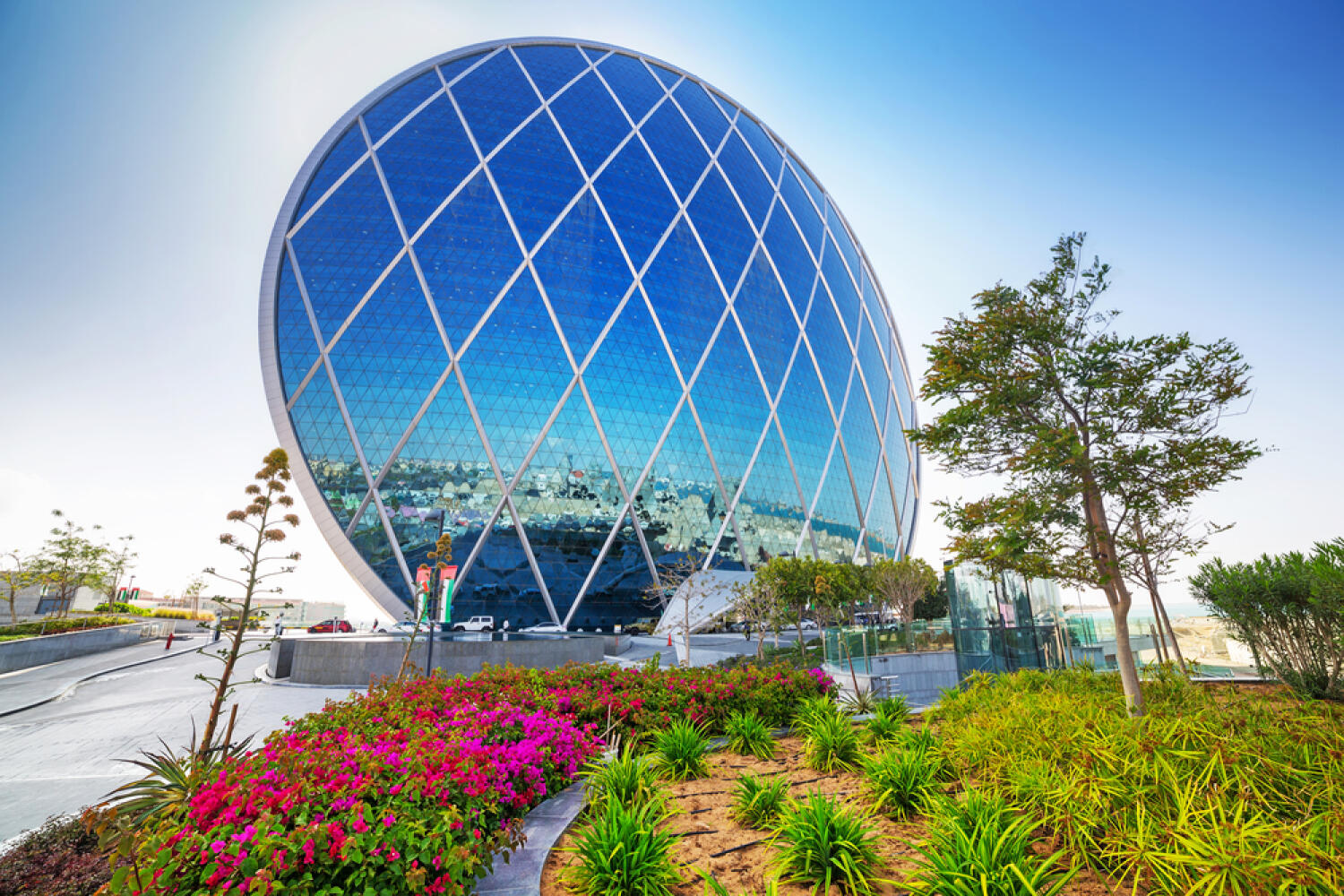
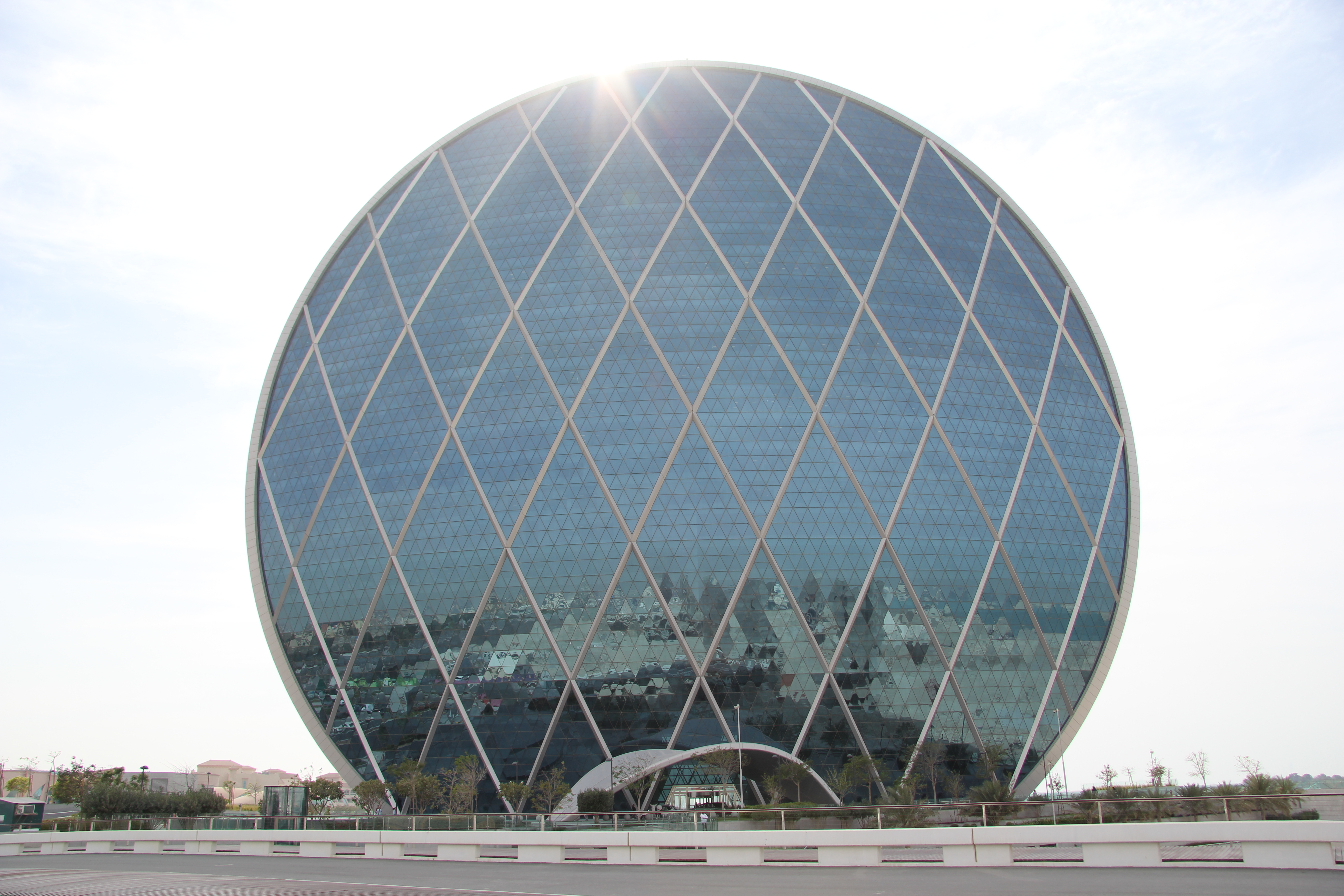
Aldar Properties has announced the acquisition of a Dh2.3 billion commercial tower located within Dubai International Financial Centre (DIFC). This development, which spans 40 floors, is set to be a significant addition to DIFC’s vibrant commercial landscape. Slated for completion by 2028, the project will integrate office and retail spaces designed to attract both businesses and investors looking for prime real estate within one of the region’s leading financial hubs.

The acquisition underscores Aldar’s expanding footprint in the UAE’s property sector, with the developer increasingly diversifying its portfolio across emirates and internationally. Known primarily for its strong presence in Abu Dhabi, Aldar has recently shifted focus to other lucrative markets such as Dubai and Ras Al Khaimah, complementing its projects in global locations including Egypt, London, and Western Europe.

This latest venture comes amidst Aldar’s robust financial performance in 2023. The company recorded a net profit surge of 40%, reaching Dh4.4 billion, supported by a 26% rise in revenue to Dh14.2 billion. This financial momentum is attributed to sustained demand for off-plan properties and strategic forays into new market segments. The company’s development backlog, which doubled to Dh36.8 billion by year-end, provides a steady stream of income visibility for the foreseeable future.

The DIFC tower acquisition aligns with Aldar’s strategy of capitalizing on high-growth urban markets. DIFC, a pivotal financial district housing leading multinational firms, offers the strategic advantage of proximity to global businesses and professionals. The newly acquired project is expected to bolster the area’s profile as a hub for commerce and innovation.

Saudia, the Kingdom of Saudi Arabia’s national carrier, has entered into a strategic Memorandum of Understanding (MoU) with Air France-KLM to expand its maintenance, repair, and overhaul (MRO) capabilities, marking a significant step in its aviation development goals. This partnership aligns with Saudi Vision 2030’s emphasis on localization and technological advancement.

The agreement, signed in Riyadh, encompasses a range of collaborative efforts. Saudia will focus on localizing MRO services for GE90 engines, primarily used on Boeing 777 aircraft, with at least half of the work allocated to Air France-KLM. The partnership also explores establishing a joint venture for servicing GEnx engines, which power Boeing 787 jets. Saudia will leverage these initiatives to enhance its domestic technical capabilities while expanding its global operational reach.

Saudia’s collaboration extends beyond technical services. It aims to strengthen commercial ties with Air France-KLM by expanding codesharing agreements, providing increased connectivity on domestic and international routes, and improving operations at Paris Charles de Gaulle Airport. These efforts underscore the mutual benefits of the agreement for both airlines and the broader SkyTeam alliance, of which both are members.

Almoosa Health Company has announced the price range for its upcoming initial public offering (IPO) on the Saudi Exchange, setting the range between 123 riyals ($32.80) and 127 riyals per share. This strategic move positions the healthcare provider to potentially raise between SAR 1.63 billion ($434.5 million) and SAR 1.68 billion ($448.5 million), marking a significant moment for the kingdom’s stock market. The company is pursuing a share sale of 13.5 million, representing 30% of its total shares, with institutional book-building already underway.

This offering makes Almoosa Health the second-largest IPO in Saudi Arabia this year, following the SAR 2.86 billion ($763 million) raised by Fakeeh Care Group. The IPO reflects the growing investor confidence in Saudi Arabia’s healthcare sector, a key focus of Vision 2030 aimed at diversifying the economy and enhancing public services.

Almoosa Health, founded in 1996, has become a prominent player in integrated healthcare within Saudi Arabia. It manages facilities like Al Moosa Specialist Hospital and Al Moosa Rehabilitation Hospital, offering a range of specialized and general medical services. The company has emphasized its commitment to innovation, sustainability, and expanding its healthcare infrastructure.

The institutional book-building process, which began today, is set to close by December 11, 2024. Retail investors will have their opportunity to participate between December 23 and 24, with final share allocations and potential refunds scheduled for late December and early January, respectively. Almoosa Health expects its shares to debut on the Saudi Exchange in early 2025, pending final regulatory approvals.

Analysts suggest this IPO highlights the rising prominence of private healthcare operators in the region. With demand for medical services projected to grow substantially due to population increases and health challenges, companies like Almoosa are seen as critical to meeting these needs. The company’s strong financials and operational expertise, underpinned by an experienced management team led by Chairman Abdulaziz Almoosa and CEO Malek Almoosa, further enhance its attractiveness to investors.

Arabian Post Staff -Dubai The United Arab Emirates has firmly established itself as a global leader in the new economy, marked by its vibrant and competitive marketplace, forward-thinking innovation ecosystem, and dynamic workforce. A report by the Statistical Centre for the Cooperation Council for the Arab Countries of the Gulf (GCC-Stat) highlights the nation’s remarkable strides in fostering a society driven by progress and sustainability. Released to […]

Aldar Properties, the prominent real estate developer from Abu Dhabi, has made a significant move to expand its footprint in Dubai by acquiring key commercial properties and planning landmark projects. These ventures underline Aldar’s commitment to tapping into the growing demand for premium office spaces in one of the region’s most dynamic business hubs.

The acquisition of a commercial tower in Dubai International Financial Centre (DIFC), formerly owned by H&H Development, positions Aldar as the sole developer with major commercial assets in both the Abu Dhabi Global Market (ADGM) and DIFC. This strategic purchase reinforces its status as a key player in the UAE’s real estate sector. This tower boasts state-of-the-art facilities and prime positioning, adding to Aldar’s growing portfolio of high-grade commercial properties.

Simultaneously, Aldar unveiled plans to develop a Grade A office tower along Sheikh Zayed Road near DIFC. Designed with premium office spaces and luxury amenities, the development is set to include a boutique hotel and branded residences. The project, located on one of Dubai’s last undeveloped double plots, will enhance connectivity with its proximity to major transport hubs, such as the Emirates Towers Metro Station.

These investments align with Aldar’s strategy to diversify its portfolio beyond residential and retail projects. Dubai has been identified as a priority growth market, as the company continues to explore opportunities in the emirate’s flourishing commercial real estate landscape. The acquisition also complements Aldar’s existing projects in Dubai, such as its developments in Dubai Internet City, further cementing its role in shaping the emirate’s commercial property offerings.

With an investment value exceeding AED 1.8 billion, Aldar’s ventures in Dubai are anticipated to contribute to economic growth and job creation while catering to the evolving needs of businesses seeking high-quality spaces in the UAE. This expansion comes amid strong demand for office properties, spurred by Dubai’s status as a global business hub and the economic diversification initiatives driving regional development.

Here’s a news report based on the given information:

Brighton College Dubai has implemented strict limits on mobile phone use among its students, resulting in measurable improvements in their overall happiness. Over the past two years, the school reported a 15% increase in student satisfaction, attributing the shift to its policy of reducing screen time both during and after school hours.

This educational institution is part of a growing movement in academic circles aiming to prioritize students’ mental well-being by tackling the pervasive issue of digital dependency. By curbing phone usage and regulating screen exposure, Brighton College Dubai has set an example for schools worldwide grappling with the challenges of modern technology in the classroom.

Headmaster Simon Crane explained that the decision was driven by growing concerns over the impact of excessive phone usage on student development and social interactions. Research has consistently highlighted the negative effects of prolonged screen time, including reduced attention spans, disrupted sleep patterns, and increased feelings of isolation. To combat these issues, the school introduced a series of measures designed to balance technology use with personal growth.

Students are required to store their phones in designated lockers throughout the school day, ensuring minimal distractions during lessons. Furthermore, the school has collaborated with parents to establish guidelines for device usage at home, fostering a holistic approach to managing screen time. This two-pronged strategy has yielded noticeable improvements in academic performance and emotional resilience among students.

Brighton College Dubai’s initiative aligns with broader educational trends addressing the digital age’s influence on young minds. Studies from global health organizations underscore the importance of limiting screen exposure, particularly for children and adolescents, as part of maintaining mental and physical health.

Parents at the school have largely welcomed the policy, praising its positive impact on their children’s lives. One parent noted that her son, a Year 9 student, had become more engaged in outdoor activities and face-to-face interactions since the rules were introduced. “It’s refreshing to see him spend more time outside, making meaningful connections with friends rather than being glued to his phone,” she remarked.

Teachers have also observed significant changes in the classroom dynamic. Without the distraction of phones, students appear more focused and actively participate in discussions. The policy has not only enhanced academic engagement but has also fostered a stronger sense of community within the school.

To further promote digital wellness, Brighton College Dubai has integrated lessons on responsible technology use into its curriculum. These sessions aim to educate students on the potential risks of excessive screen time while equipping them with the tools to maintain a healthy balance. Topics covered include cyberbullying, online etiquette, and the importance of unplugging to cultivate mindfulness.

This proactive stance has sparked interest from other educational institutions considering similar measures. Educators worldwide are recognizing the urgency of addressing the digital habits of today’s youth, and Brighton College Dubai’s success serves as a compelling case study.

While the policy has garnered widespread support, some students initially expressed resistance, citing the challenge of adapting to limited phone access. However, many have since embraced the change, reporting a greater sense of well-being and stronger interpersonal relationships. A Year 11 student shared that she now feels more present in her daily life, adding, “I didn’t realize how much time I was spending on my phone until it was taken away. Now, I enjoy being more connected to the people around me.”

QatarEnergy and Shell have finalized a major deal to supply liquefied natural gas (LNG) to China, further bolstering the energy ties between the two global powerhouses. The long-term sale and purchase agreement (SPA), which will see the delivery of three million tons per annum (MTPA) of LNG, is set to commence in January 2025. This deal, marking a significant step in energy cooperation, reflects the growing demand for natural gas in China and underscores the ongoing shift in the global energy landscape.

The agreement between QatarEnergy, the state-owned energy giant of Qatar, and Shell, one of the largest oil and gas companies worldwide, is expected to contribute to China’s energy security as it continues to diversify its sources of natural gas. China’s reliance on natural gas as a cleaner alternative to coal has steadily increased, positioning the country as one of the world’s top LNG importers. This new deal enhances Qatar’s position as a major global LNG supplier, reinforcing its role in the international energy market.

Qatar’s strategic focus on LNG exports aligns with its long-term vision to solidify its energy footprint globally, with significant emphasis on Asia-Pacific markets. China, as a critical player in global energy demand, is an essential partner for QatarEnergy, which has rapidly expanded its LNG production capacity over the past few years. The agreement between the two companies marks a crucial milestone in Qatar’s energy diplomacy, as it seeks to solidify its market share in the Asian region.

The SPA is not only a testament to the strong commercial partnership between QatarEnergy and Shell but also signals the growing importance of collaboration between national oil and gas companies and major international energy firms. While the details of the contract terms have not been fully disclosed, industry insiders speculate that the agreement includes flexible pricing mechanisms and long-term stability clauses, designed to provide both parties with predictable revenue streams and mitigate price volatility in the global LNG market.

This deal also highlights Shell’s ongoing commitment to expanding its footprint in the global LNG market, a sector that has gained momentum in light of rising energy demand and geopolitical uncertainty. Shell has been actively increasing its LNG trading capacity and has made substantial investments in LNG infrastructure globally, including terminals and shipping. The partnership with QatarEnergy further complements Shell’s strategy to position itself as a key player in LNG, alongside its broader focus on renewable energy and transition to cleaner energy solutions.

For China, the deal is particularly timely as it continues to pivot towards natural gas to fuel its rapid urbanization and industrial expansion. Despite a focus on renewable energy, the country’s growing energy demands have made natural gas an essential component of its energy mix, particularly in regions where access to alternative energy sources remains limited. By securing a steady and reliable supply of LNG from Qatar, China aims to stabilize its energy imports and reduce its dependence on coal, which has long been a significant contributor to the country’s high carbon emissions.

The partnership also plays into broader geopolitical dynamics in the LNG market. Over the last decade, China has increasingly relied on LNG imports from a variety of suppliers, including the United States, Australia, and Russia. However, by expanding its relationship with Qatar, a country with extensive gas reserves, China is also diversifying its sources to ensure greater energy security amid potential future supply disruptions. The strategic alliance with Qatar, therefore, not only meets China’s energy needs but also strengthens its energy ties with the Middle East, an important region in the global geopolitical arena.

As LNG demand continues to rise, particularly in Asia, the supply and demand dynamics of the global LNG market are expected to shift. Asia, as the largest importer of LNG, has seen an uptick in contracts between suppliers and buyers, with long-term agreements becoming more common. This trend, underscored by the QatarEnergy-Shell deal, suggests that market players are seeking greater stability in the face of volatile energy prices, exacerbated by geopolitical tensions and supply chain uncertainties.

The deal further underscores the role of LNG as a critical energy source in the global transition towards cleaner energy alternatives. LNG has gained favor as a relatively cleaner fossil fuel compared to coal and oil, thanks to its lower carbon footprint. As countries like China ramp up their efforts to curb emissions and reduce reliance on more polluting energy sources, natural gas has been positioned as a vital bridge in the energy transition, at least in the near to medium term.

In the broader context of Qatar’s energy strategy, the new deal also aligns with the country’s growing ambitions to dominate the global LNG market. With vast reserves of natural gas, Qatar has invested heavily in expanding its LNG production and infrastructure over the past few years. The country’s North Field Expansion Project, which is expected to increase its LNG production capacity by over 40%, will further cement Qatar’s role as a top supplier of natural gas worldwide. The partnership with Shell, one of the world’s largest LNG marketers, is an essential part of Qatar’s strategy to ensure access to key markets in Asia, Europe, and beyond.

Qatar’s Central Bank has introduced a groundbreaking framework to regulate digital banking, marking a significant step toward modernizing the nation’s financial sector. This initiative aligns with the Qatar National Vision 2030 and is part of the broader Financial Sector Strategy for the 2024-2030 period. The framework is set to reshape digital banking operations, ensuring a balance between innovation and stringent regulatory oversight to foster financial stability and inclusion.

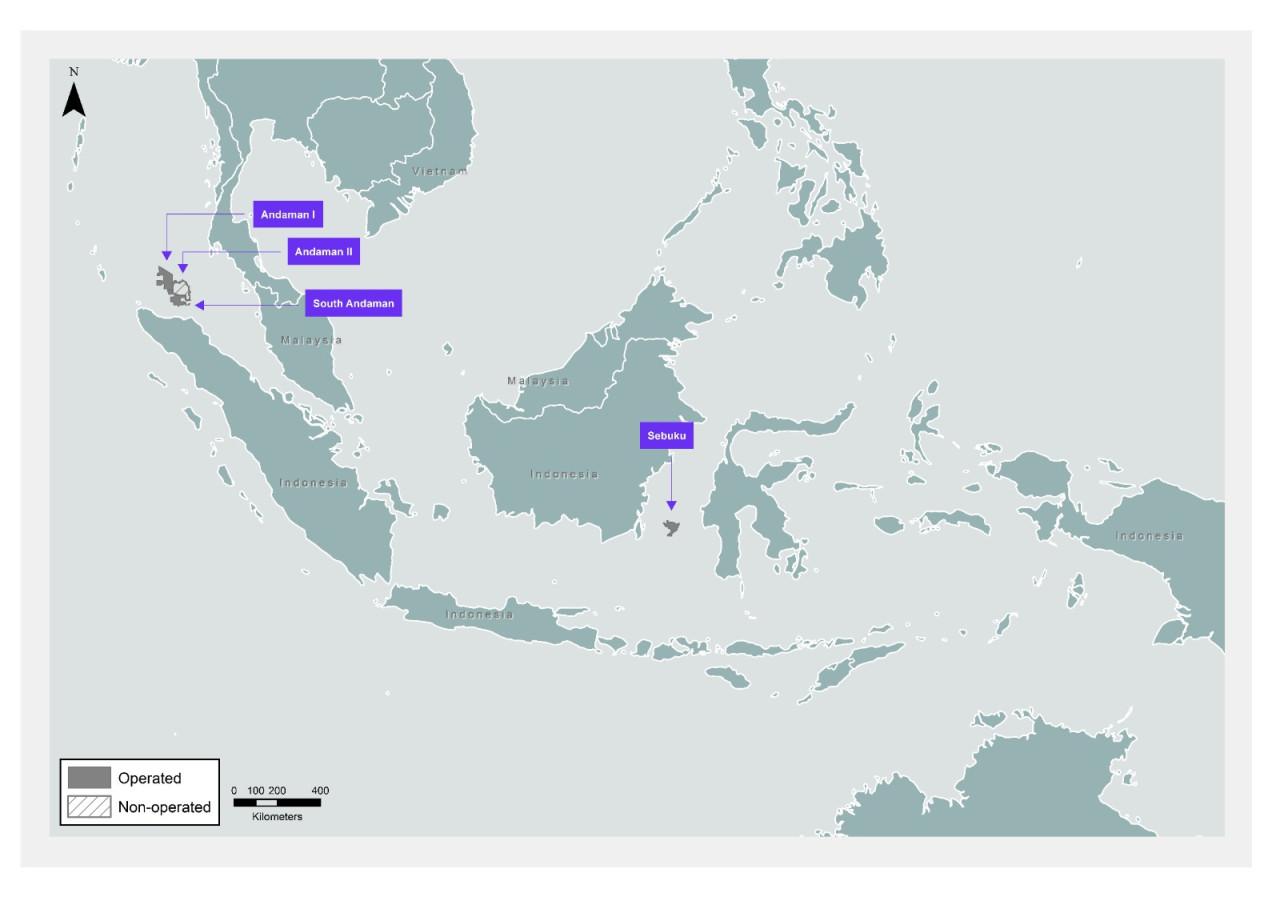
Indonesia has taken a significant step forward in its energy exploration sector by signing a contract with Harbour Energy and Abu Dhabi’s Mubadala Petroleum for the development of the Central Andaman block. The agreement is poised to unlock new prospects in the nation’s oil and gas sector, a move that is expected to enhance energy production and boost foreign investment in Indonesia’s energy resources.

The deal, which was finalized amid growing interest in Southeast Asia’s oil and gas reserves, marks a key milestone in Indonesia’s long-term strategy to increase its energy output and strengthen partnerships with international energy giants. Harbour Energy, a leading UK-based oil and gas company, alongside Mubadala Petroleum, an investment arm of the UAE’s Mubadala Investment Company, will collaborate on exploring and developing the Central Andaman block, located in the western part of Indonesia’s maritime zone. This area is rich in hydrocarbon potential, a crucial factor in meeting both domestic demand and export needs for Indonesia’s energy consumption.

This partnership is seen as a testament to Indonesia’s appeal as a prime investment destination in the energy sector. The agreement follows the country’s efforts to secure more investments in upstream oil and gas projects as part of its broader initiative to meet its energy targets. Indonesia has been working to reverse declining oil production and ensure that the nation’s oil and gas reserves continue to meet growing demand. The Central Andaman block, with its significant untapped reserves, is expected to contribute substantially to these goals.

The signing of the contract also aligns with the Indonesian government’s broader policy of attracting foreign capital into its energy sector. Harbour Energy’s track record in global exploration and Mubadala’s financial strength position both entities as highly strategic partners for the state-owned energy company, PT Pertamina. Pertamina, which will retain a stake in the project, is tasked with overseeing the development and ensuring the sustainability of operations across the block.

The Central Andaman block is located within an area known for its favorable geologic conditions, potentially offering both deepwater oil fields and gas reserves that have remained underexplored until now. The consortium’s exploration activities are expected to employ advanced technologies and methodologies to assess the block’s full potential, including seismic surveys and drilling operations in areas that have previously been difficult to access.

One of the key outcomes expected from this partnership is the improvement of Indonesia’s energy security. By developing its own oil and gas resources, Indonesia aims to reduce its dependence on energy imports, which have long been a vulnerability in its economic framework. Moreover, the exploration of new oil fields can provide an economic boost through job creation, the generation of local revenue, and the attraction of further investment into related sectors such as infrastructure and technology.

In addition to bolstering energy security, the deal also reflects growing geopolitical shifts in the global energy landscape. Southeast Asia has increasingly become a focal point for energy investments as global oil companies look for new frontiers amidst declining oil reserves in traditional oil-producing regions. The Central Andaman block’s untapped reserves add to Indonesia’s strategic importance, not only as an energy producer but also as a key player in the Indo-Pacific energy equation.

However, the path forward is not without challenges. The complex environmental and regulatory landscape of Indonesia’s offshore oil fields poses potential hurdles, including the need to adhere to stringent environmental standards while developing the block’s resources. Harbour Energy and Mubadala’s experience in managing large-scale offshore projects will likely be tested as they navigate these challenges, balancing sustainable practices with the need for efficient resource extraction.

The Indonesian government has indicated that it will continue to prioritize energy projects that contribute to the nation’s long-term economic growth while ensuring environmental sustainability. The Central Andaman block deal is expected to be closely monitored by both domestic and international stakeholders, who view the partnership as a litmus test for Indonesia’s ability to maintain its position as a leading oil and gas producer in Asia.

Koc Holding, one of Turkey’s leading conglomerates, has firmly denied reports suggesting it is in discussions regarding the sale of its stake in Yapi Kredi Bank to Qatar National Bank (QNB). The Turkish holding company, which controls a significant share of Yapi Kredi, clarified that no such negotiations have taken place, responding to growing speculation about a potential deal with the Qatari financial institution.

The rumors surfaced amid QNB’s broader strategy of expanding its presence in Turkey, a key market for the Middle Eastern bank. QNB has been actively pursuing acquisitions in Turkey in recent years, strengthening its position within the country’s financial sector. However, despite these ambitions, Koc Holding has stated unequivocally that there are no ongoing talks regarding the sale of its shares in Yapi Kredi to QNB, dispelling widespread assumptions about an impending transaction.

This development comes at a time when Turkey’s banking sector is navigating a complex economic environment. High inflation, currency volatility, and shifting geopolitical dynamics have placed considerable strain on the country’s financial markets, which may have prompted some analysts to speculate about possible mergers or acquisitions in the banking industry. Additionally, QNB’s interest in Turkish assets has been well-documented, with the bank seeking to capitalize on Turkey’s sizable market and relatively high returns in the financial sector.

While Koc Holding’s denial temporarily quells the rumors surrounding a potential Yapi Kredi transaction, it is clear that the Turkish banking landscape remains a focal point for foreign investors, especially those from the Gulf region. Qatar-based QNB, which has been expanding its footprint in Turkey, already holds a stake in other Turkish financial institutions. The bank’s ambitions to consolidate its holdings in the country align with broader regional strategies by Gulf-based investors to diversify their portfolios beyond the Gulf Cooperation Council (GCC) region.

For Koc Holding, Yapi Kredi remains a valuable asset in its diversified portfolio, and its involvement in the banking sector is integral to its broader business strategy. The holding company has been a major player in Turkey’s financial industry for decades, with its involvement in banking extending back to the late 1980s when it first acquired a stake in Yapi Kredi. The bank has since grown to become one of Turkey’s largest and most influential financial institutions.

While Koc Holding has dispelled the claims of a sale to QNB, analysts continue to watch the Turkish financial sector closely for signs of potential mergers and acquisitions. The region’s banks have been under pressure as they navigate the economic challenges posed by inflation and the depreciation of the Turkish lira. Despite these hurdles, Turkish financial institutions remain attractive to foreign investors due to their relatively high returns and the significant untapped potential of the Turkish market.

QNB, as one of the largest banks in the Middle East and North Africa (MENA) region, has made strategic acquisitions across the region over the years. With operations in 31 countries, including a significant presence in the GCC and North Africa, the bank has been keen to expand its holdings in Turkey, a nation that has become an increasingly vital market for financial services. The speculation around Yapi Kredi was fueled by reports that QNB had expressed interest in increasing its stake in the Turkish banking sector, but Koc Holding’s statement puts those rumors to rest—at least for the time being.

Although the QNB and Yapi Kredi discussions appear to be off the table, the dynamic between foreign banks and Turkish financial institutions will continue to evolve. The relationship between Qatar and Turkey has grown stronger in recent years, with both nations bolstering their economic ties. These diplomatic and financial linkages have facilitated greater cross-border investments, including in the Turkish banking sector, where Gulf investors are particularly active.

Turkey’s financial market is viewed by many as being ripe for consolidation and foreign investment. With inflation levels above 50% and the currency’s depreciation impacting many domestic financial institutions, the market offers substantial growth opportunities for foreign banks with the capacity to weather short-term volatility. International investors like QNB have been increasingly involved in Turkey’s economic recovery, using strategic acquisitions as a way to capitalize on the long-term prospects of the country’s banking system.

Despite the challenges posed by the country’s economic instability, Turkish banks are showing resilience. Several of the country’s largest banks, including Yapi Kredi, have managed to maintain strong balance sheets, thanks in part to their robust risk management strategies. This stability, combined with the potential for future growth, continues to attract interest from regional players looking to expand their presence in one of the largest emerging markets in Europe and Asia.

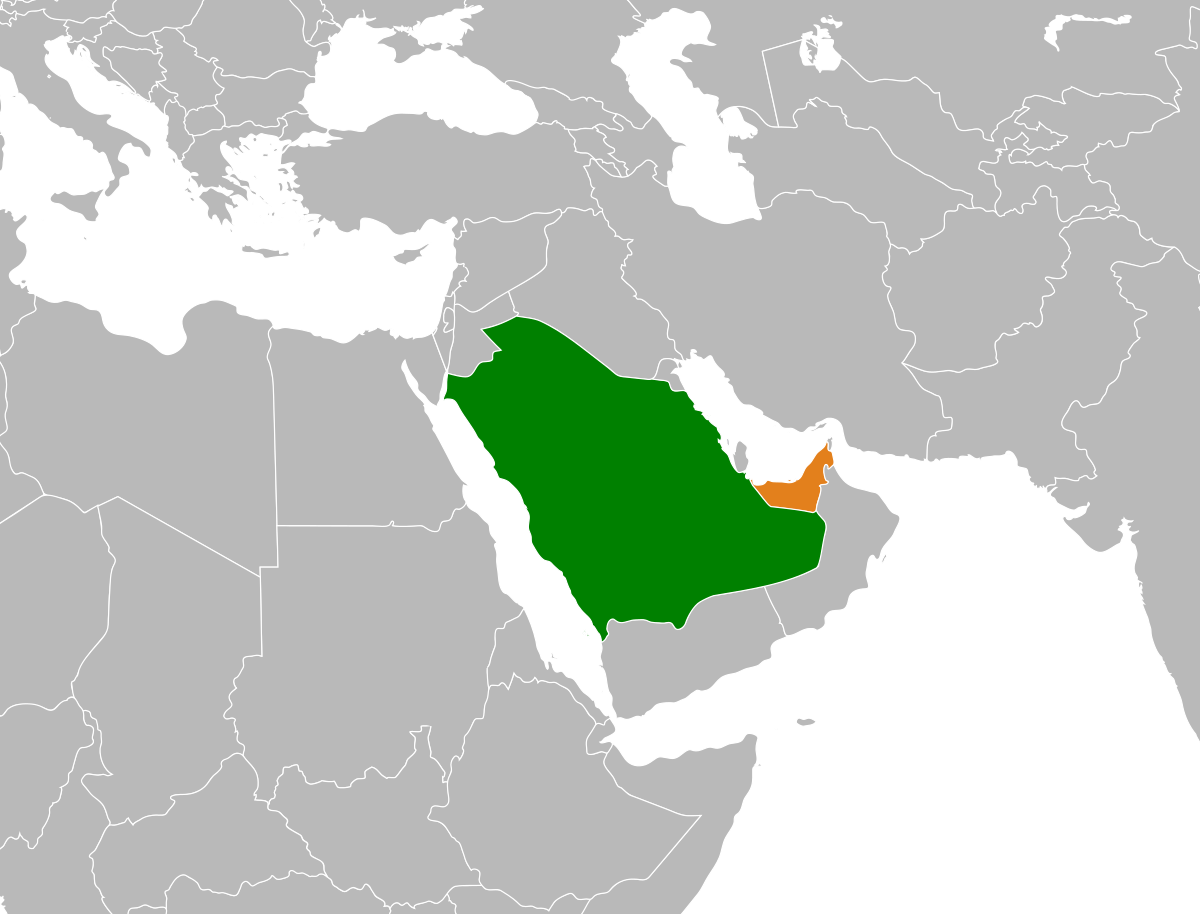
UAE President Sheikh Mohamed bin Zayed Al Nahyan and Saudi Crown Prince Mohammed bin Salman held a high-level meeting to further solidify their countries’ bilateral relations, underscoring the enduring strength of their partnership. The meeting comes as both nations navigate complex regional and global challenges, aiming to reinforce their cooperation in key sectors such as energy, security, and technology.

The summit, which took place in Abu Dhabi, reflects the growing strategic importance of the UAE-Saudi relationship. This alliance has been marked by a shared commitment to regional stability, economic growth, and development. The two leaders’ discussions have centered on deepening political and economic collaborations, enhancing trade, and exploring opportunities in emerging fields like renewable energy and space exploration.

The UAE and Saudi Arabia have long been influential players in the Gulf region, and their partnership is often seen as a counterbalance to external powers. Their collaboration spans beyond bilateral matters, impacting broader issues such as security in the Middle East, OPEC oil production agreements, and joint ventures in technological advancements. The convergence of their interests is aimed at positioning the two nations as global leaders in multiple sectors.

Trade relations between the UAE and Saudi Arabia have been growing steadily, with the UAE becoming one of Saudi Arabia’s largest trading partners. The two nations are focused on further facilitating economic integration through the Gulf Cooperation Council (GCC), which serves as a platform for harmonizing their policies on trade, investment, and infrastructure. Their concerted efforts are seen as crucial for advancing the region’s economic diversification and reducing dependence on oil.

In the realm of energy, the UAE and Saudi Arabia are working together to lead the charge on clean energy initiatives. Both countries have made significant strides in developing sustainable energy solutions, with large investments in solar power, nuclear energy, and hydrogen. Their collaboration in these sectors is intended to help the Gulf region transition toward a low-carbon future while maintaining energy security.

Security is another critical component of the UAE-Saudi partnership. Both nations have faced regional security threats, particularly from non-state actors and the geopolitical tensions surrounding Iran. As a result, the UAE and Saudi Arabia have worked in tandem to fortify their defense mechanisms and enhance intelligence sharing. Their coordinated efforts are also evident in joint military operations, particularly in Yemen, where both countries have been involved in the ongoing conflict as part of a Saudi-led coalition.

The leaders’ discussions also touched on the importance of technological innovation as a driver of future economic growth. The UAE has positioned itself as a hub for technological advancements in the Middle East, with initiatives like Dubai’s smart city projects and the UAE’s space program gaining international recognition. Meanwhile, Saudi Arabia has launched its own ambitious Vision 2030 initiative, which includes plans for transforming its economy through technology, including its investments in artificial intelligence, blockchain, and digital infrastructure.

The strategic alliance between the UAE and Saudi Arabia has not only helped shape the region’s economic and political landscape but has also made them key partners in broader international forums. Both nations have increasingly taken a proactive stance in addressing global challenges, including climate change, public health, and geopolitical tensions. Their efforts to collaborate on such issues signal a broader commitment to fostering stability and peace in the Middle East and beyond.

Understood. Let me research and draft the report for you. Please hold on.

Dubai will host the second edition of the Japan Kyoto Trade Exhibition in February 2025, showcasing Japan’s innovative industries and fostering cross-border business opportunities. Organized by MAICO Enterprises Inc., a prominent Japanese trade organization, this event is set to bring together global businesses, investors, and policymakers in a celebration of economic collaboration and cultural exchange.

Scheduled from February 10 to 13 at the Dubai World Trade Centre, the exhibition will highlight sectors such as technology, green energy, and consumer goods. The event aims to promote Japan’s traditional craftsmanship alongside its advancements in technology, emphasizing sustainability and innovative trade practices.

This year’s exhibition builds upon the success of the inaugural event, which featured over 300 exhibitors and attracted more than 20,000 visitors. Organizers have expressed confidence in surpassing these figures in 2025, given the strategic location of Dubai as a global trade hub and its commitment to fostering international partnerships.

Seef Properties has formalized its commitment to supporting female entrepreneurs through a strategic partnership with Ra’edat, a platform dedicated to empowering women in business. This collaboration aims to create avenues for aspiring and established female entrepreneurs by offering innovative retail opportunities within Seef Properties’ network. The agreement aligns with Bahrain’s broader efforts to nurture entrepreneurial talent and advance gender equality in the business sector.

The memorandum of understanding (MoU) enables women-led businesses to access retail spaces under the “Mahali” initiative, which is part of Seef Properties’ portfolio. These spaces, located at Seef Mall and other prime locations, provide tailored environments for businesses to scale operations, engage customers, and enhance their visibility. This initiative is particularly designed to support homegrown enterprises seeking to establish a stronger foothold in the marketplace.

Ahmed Yusuf, Chief Executive Officer of Seef Properties, highlighted the collaboration as a step toward fostering a robust entrepreneurial ecosystem in Bahrain. He emphasized the company’s commitment to empowering women entrepreneurs through providing opportunities that combine prime retail locations with business development resources. Yusuf also noted that the initiative would contribute to Bahrain’s long-term economic vision by encouraging diversity and inclusivity within the entrepreneurial landscape.

Ra’edat, recognized for its role in promoting women’s economic participation, expressed optimism about the partnership’s potential to strengthen the region’s business ecosystem. By facilitating access to premium retail environments, the platform envisions fostering growth for women-led businesses and inspiring a broader cultural shift toward gender-balanced economic contributions.

Saudi Arabia has unveiled the Jeddah Food Cluster, a groundbreaking initiative aimed at transforming Jeddah into a global hub for the food industry. Officially recognized by Guinness World Records as the largest food park in the world, this project spans 11 million square meters and is poised to attract SR20 billion ($5.3 billion) in investments.

Dubai’s event calendar this December is brimming with cultural activities, ranging from international musicals to world-class music festivals. The city’s vibrant arts scene continues to captivate audiences with a diverse lineup of performances that cater to a wide range of tastes. Notably, iconic shows like *Singin’ in the Rain* and acclaimed international musicians are set to grace Dubai’s renowned venues, offering memorable experiences for locals and tourists alike.

The much-anticipated *Singin’ in the Rain* musical is currently being performed at the Dubai Opera, a venue known for its acoustics and luxury. The classic Broadway production has been adapted for Dubai’s stage and promises to deliver a unique theatrical experience. Running until December 14, the show is a romantic comedy set against the backdrop of Hollywood’s Golden Age. Audiences will be treated to the classic charm of the film, re-imagined with live music, dynamic choreography, and state-of-the-art visual effects. Ticket prices for this iconic musical start at 390 AED, making it accessible to a broad audience looking to enjoy a night of nostalgia and song.

On December 3, the 20th Emirates International Peace Music Festival will be held at the Zabeel Theater. This annual event, a hallmark of Dubai’s cultural calendar, brings together artists from around the world to promote global peace through music. The festival will feature a variety of performances, with a strong emphasis on blending different musical traditions to celebrate unity and harmony. The event has long been regarded as an important platform for cultural exchange, attracting attendees who appreciate the power of music in promoting peace. Tickets for this event start at 100 AED, offering an affordable way to experience some of the best global talent.

A day later, on December 4, the Moscow Jazz Orchestra, led by the renowned Igor Butman, will take to the stage at the Zabeel Theater. Butman, one of Russia’s most celebrated jazz musicians, is known for his exceptional skill and charismatic performances. The orchestra will showcase a blend of traditional jazz with a modern twist, offering an evening of captivating music for jazz enthusiasts. Butman’s leadership of the Moscow Jazz Orchestra has made them a prominent fixture in the international jazz scene. Tickets for this event begin at 175 AED, providing an opportunity for both seasoned jazz fans and newcomers to the genre to enjoy an evening of world-class music.

Dubai’s cultural offerings this December highlight the city’s growing prominence as a global arts destination. The city’s venues, such as the Dubai Opera and the Zabeel Theater, have become synonymous with high-quality performances, attracting internationally renowned talent and a diverse audience. These events not only provide entertainment but also foster cultural dialogue, making Dubai a vibrant hub for the arts. Whether it’s the glamour of a Broadway musical or the soul-stirring sounds of an international orchestra, Dubai offers something for everyone this holiday season.

Emirates, the largest airline in the MENA region, has voiced increasing frustration over ongoing delays and growing uncertainty surrounding the delivery of its Boeing 777-9X jets. The airline, which placed a substantial order for the aircraft, is concerned that the continued postponements could impact its long-term fleet strategy, and has called for clearer timelines and solutions from Boeing.

The 777-9X, an advanced version of the 777X series, was initially slated for delivery in 2024. However, production setbacks, combined with technical challenges, have pushed back the timeline repeatedly. The delays have sparked concern across the aviation industry, as they affect airlines’ expansion plans and disrupt the global supply chain for new aircraft.

Emirates, which has long been a key customer of Boeing, has expressed its disappointment over the missed deadlines. The airline had originally ordered 150 of the 777-9X jets, which were intended to bolster its fleet and replace older models, particularly the 777-200 and 777-300. These aircraft were seen as vital to the airline’s strategy to compete in long-haul travel, offering greater fuel efficiency and capacity than earlier models.

Boeing’s repeated delays with the 777-9X have affected not only Emirates but several other airlines around the world. The company has struggled with production issues related to the aircraft’s engine, structural elements, and other components, which have led to prolonged certification processes and delayed first deliveries. These challenges have prompted some airlines to reconsider their fleet strategies, with several seeking to renegotiate delivery schedules or exploring alternative aircraft options.

Emirates has not been silent in expressing its dissatisfaction. Tim Clark, the airline’s president, has been vocal about the disruptions caused by Boeing’s delays, emphasizing that the issue is creating significant challenges for the airline’s operations. According to Clark, the uncertainty surrounding the aircraft’s arrival date makes it difficult for Emirates to plan its future routes and fleet expansions effectively.

The airline’s frustration is amplified by the broader context of post-pandemic recovery, where airlines are racing to expand their fleets and capitalize on the growing demand for air travel. Emirates, which has already faced the pressures of the pandemic on its operations, is eager to modernize its fleet to maintain competitiveness in the global market. With the delays in Boeing’s production, the airline has had to consider other solutions, including increasing the use of its older aircraft for longer periods, potentially increasing maintenance costs and operational challenges.

Boeing has repeatedly assured its customers that it is working diligently to resolve the issues, but so far, no firm delivery dates have been set. The company has promised to keep affected airlines informed, though some critics believe the level of transparency regarding production hurdles could be improved. Boeing’s management has acknowledged the difficulties and is reportedly taking steps to address the technical and manufacturing problems that have hindered the 777-9X’s progress.

In response to the delays, Emirates has been exploring other options for replacing older aircraft in its fleet. This includes considering different models from rival manufacturer Airbus, particularly the A350-1000, which offers comparable capacity and range to the 777-9X. Emirates has already placed significant orders for the A350 in recent years, and while the airline has expressed preference for the 777X series, it may have to adjust its fleet strategy to meet the evolving demands of global travel.

Industry analysts have pointed out that the 777-9X delays are not an isolated issue but part of a broader trend affecting both Boeing and the aviation industry as a whole. The pandemic disrupted global supply chains, creating bottlenecks in the production of everything from aircraft parts to engines. Manufacturers have struggled to catch up with the surge in demand for new aircraft as airlines emerge from the pandemic with ambitious growth plans. The competition between Boeing and Airbus, in particular, has intensified, with each company striving to secure a larger share of the global aviation market.

The uncertainty surrounding the 777-9X has led some airlines to question Boeing’s ability to meet future delivery commitments. While Boeing has made strides with other models, such as the 737 MAX, the prolonged delays with the 777-9X have raised doubts about the company’s overall production capabilities and ability to meet the needs of the aviation industry as it rebounds. The impact of these delays is expected to extend beyond the immediate customer base, affecting the entire aviation supply chain, from suppliers of aircraft parts to maintenance and repair companies.

Fuel prices in the UAE experienced a notable rise in November, with the price of Super 98, Special 95, and E-Plus 91 all increasing by 9 fils per liter compared to October. The increase has raised concerns among consumers, particularly in light of ongoing discussions about the global energy market and its impact on local economies.

The National Petroleum Marketing Company, which oversees fuel pricing in the UAE, implemented this price change after monitoring shifts in global oil prices. The new prices reflect a global trend in energy markets where oil prices have steadily climbed in the past months due to rising demand and geopolitical uncertainties. Industry analysts suggest that such fluctuations are becoming increasingly common as global supply and demand dynamics evolve.

The change has been felt by consumers across the country, with many noting the impact on household budgets. The price for Super 98, the premium fuel grade, is now set at 3.03 AED per liter, up from 2.94 AED in October. Special 95, which is widely used by the general public, now costs 2.92 AED per liter, while E-Plus 91 has seen its price rise to 2.83 AED per liter. These increases, although seemingly modest, have a direct impact on daily life in the UAE, where gasoline-powered vehicles remain the primary mode of transport for the majority of residents.

The fuel price hike is part of a broader trend of fluctuating oil prices that began in mid-2023, driven by OPEC+ decisions, changes in U.S. production levels, and shifting demand patterns across key global markets. In particular, recent supply cuts by major oil-producing nations have tightened global crude oil supplies, contributing to the increase in fuel costs. The UAE, being a significant player in the global energy market, is not insulated from these trends, as the country relies heavily on oil exports for revenue.

The fuel price increases also come amidst discussions about the UAE’s efforts to diversify its economy away from oil dependence. Although the country has made significant strides in renewable energy development, including solar power and nuclear energy, oil remains a dominant economic driver. This creates a delicate balance for policymakers who must manage rising fuel prices while attempting to transition to more sustainable energy sources in the long term.

Consumer sentiment regarding the fuel price hike has been mixed. While some accept the increase as an inevitable result of global market trends, others express frustration with the recurring adjustments. Public transport, although available in major cities like Dubai and Abu Dhabi, remains underdeveloped in many parts of the country, making private car ownership essential for most people. This reliance on cars amplifies the impact of rising fuel prices on everyday expenses, leading to concerns about the affordability of transportation.

Economists have also weighed in on the potential long-term effects of fuel price hikes in the region. Some suggest that continued increases could put pressure on the cost of living, particularly in industries reliant on fuel-intensive activities such as transportation and construction. Businesses may face higher operating costs, which could eventually be passed on to consumers in the form of higher prices for goods and services.

On the other hand, analysts point out that the UAE government has taken steps to mitigate the impact on the most vulnerable sectors of the economy. Some subsidies remain in place for specific fuel products, particularly for those used in commercial and industrial sectors. These measures are designed to help cushion the effects of price increases and ensure that critical sectors do not experience undue strain.

The UAE’s fuel pricing system, which is reviewed monthly, has led to a degree of predictability in the market. Although prices are subject to fluctuations, the transparency of the system allows consumers to plan their expenses accordingly. This regular review process has earned praise from certain segments of the population, who appreciate the consistency in pricing, despite the periodic hikes.

Global energy market conditions remain a crucial factor in determining fuel prices. International oil price fluctuations have an immediate impact on the cost of fuel, and the UAE is particularly sensitive to these changes due to its role as a major oil exporter. With oil prices expected to remain volatile, fuel price adjustments are likely to continue being a regular feature of the economic landscape in the UAE. These changes, while impacting consumers, also serve as a reminder of the intricate connection between local economies and global energy markets.

The Nationals Defaulted Debts Settlement Fund (NDDSF) has announced the exemption of 1,277 citizens from a combined debt of AED 401,791,000. This debt relief initiative is the result of a collaborative effort between the Fund and 18 banks, marking a significant milestone in the UAE’s ongoing efforts to support citizens facing financial challenges. The initiative, which aims to alleviate the burden of unpaid debts, is part of the country’s broader strategy to foster financial stability and inclusivity.

The initiative is a key element in the UAE’s commitment to social welfare and economic stability. The NDDSF, established to help citizens struggling with debt, has provided significant relief to individuals facing financial difficulties. Through this program, individuals previously unable to meet their financial obligations due to various reasons, including economic hardships and unforeseen circumstances, are now given a fresh start.

The debts forgiven under this initiative are spread across multiple sectors and represent a range of defaulted financial obligations, including personal loans, credit cards, and other financial liabilities. With the exemption, these citizens will no longer be burdened by the outstanding debts, offering them a crucial opportunity to rebuild their financial standing. This relief is expected to improve the financial well-being of the affected individuals, potentially enhancing their ability to contribute to the broader economy.

The 18 participating banks have played a crucial role in this effort by agreeing to waive the debts of these citizens. By engaging with the NDDSF, these institutions demonstrate a strong commitment to corporate social responsibility and contribute to the stability of the country’s financial system. The collaboration with these banks is also a testament to the UAE’s thriving financial sector and its ability to work with government initiatives aimed at supporting the citizens.

This debt relief initiative is seen as a critical measure to mitigate the adverse effects of financial distress on citizens, who may otherwise face severe consequences such as legal actions, asset confiscations, or restrictions on their ability to access future credit. By addressing these issues, the program ensures that vulnerable individuals are not further penalized for their financial difficulties, thus helping to prevent the deepening of socio-economic divides within the country.

The UAE government has been proactive in addressing financial distress among its citizens, and this initiative is part of a broader pattern of social welfare programs designed to help people who find themselves in difficult financial situations. By offering debt relief, the government is aiming not only to help individuals but also to stabilize the wider economy, ensuring that citizens can continue to participate in economic activities without the constraints of unmanageable debt.

This latest development also highlights the UAE’s ongoing focus on inclusivity and economic resilience. The government has committed to a series of measures aimed at protecting the most vulnerable populations, particularly those who may have faced financial setbacks due to factors beyond their control, such as illness, unemployment, or economic downturns. In offering debt exemptions, the country is reinforcing its position as a leading financial hub in the Middle East, where citizens are provided with the support they need to navigate financial challenges.

The NDDSF’s role in facilitating this debt exemption program underscores the significance of government-led initiatives in resolving personal debt crises. Its work highlights the potential of public-private partnerships in tackling financial distress, offering a model that can be adapted by other nations facing similar issues. As the UAE continues to innovate in the realm of financial governance, the collaboration between government entities and private sector banks stands out as a positive example of how the two can work together for the benefit of the population.

With the exemption of AED 401 million worth of debt, the 1,277 citizens who benefit from this initiative are not only freed from their financial burdens but are also provided with the chance to rebuild their credit scores and regain access to financial resources. This is crucial for the long-term financial health of the population, as it promotes responsible financial behavior and gives individuals the tools they need to avoid future financial difficulties.

The NDDSF’s intervention serves as a reminder of the importance of maintaining financial safety nets for citizens, especially in times of economic uncertainty. The program reflects a holistic approach to managing debt in a way that promotes fairness, stability, and opportunity for all members of society. By alleviating the financial strain on individuals, the UAE ensures that they can continue to contribute meaningfully to the national economy and their local communities.

The initiative, which follows several previous debt relief programs, aligns with the UAE’s Vision 2021 and other long-term goals that focus on building a resilient, inclusive, and diversified economy. As part of its future trajectory, the country aims to continue offering similar support mechanisms to ensure that all citizens have access to the resources they need to overcome financial challenges and thrive in the rapidly evolving economic landscape.

Dubai’s real estate sector is witnessing a surge in competition as new developers enter the market, driving up supply and introducing diverse offerings. With the demand for luxury properties continuing to soar, a new generation of developers is working to reshape the landscape, creating challenges for established players while offering unique opportunities for investors and buyers.

The entrance of these new developers is a reflection of Dubai’s dynamic property market, which has shown impressive resilience despite global economic pressures. These newcomers are not only investing in residential projects but also diversifying into commercial spaces, mixed-use developments, and hospitality, areas that are seeing a significant increase in demand. The competition has intensified as developers offer more attractive terms and design concepts to stand out in a crowded market.

One of the key reasons for the heightened interest is Dubai’s sustained appeal to global investors. The UAE’s economic recovery, backed by government initiatives to attract foreign investment, continues to position the country as a hub for both business and leisure. Additionally, the government’s policy of easing property ownership restrictions for foreigners has opened up opportunities for international investors, further fueling demand.

Developers such as the Dubai-based Azizi Developments and Arada have been gaining traction with their focus on affordable luxury. Azizi’s portfolio, which includes high-end residential and mixed-use developments, caters to both local and international buyers looking for properties that combine luxury with functional living. Arada’s presence, marked by their flagship development in Sharjah, is another example of developers aiming to capture a diverse clientele by offering competitive prices and quality.

Dubai’s real estate sector is seeing a significant shift toward sustainability and innovation. Many new developers are incorporating green building practices and energy-efficient technologies into their designs to meet the rising demand for eco-friendly living spaces. This focus on sustainability is aligned with the UAE’s broader vision of creating a greener, more sustainable future.

Key players in the market, including Emaar Properties and DAMAC, continue to dominate the luxury sector, but the influx of new developers is pushing them to evolve their offerings. For instance, Emaar is now emphasizing the creation of smart homes and lifestyle-oriented communities, areas where its competitors are also investing heavily. Meanwhile, DAMAC, known for its high-end residential developments, has started to explore the commercial and hospitality sectors in response to shifting market dynamics.

While luxury remains the primary focus of many high-profile developments, affordable housing is becoming increasingly popular. This shift is driven by a growing middle class within the UAE and an influx of professionals from various sectors. Developers are responding by providing more affordable, yet high-quality, housing options, ensuring that they capture a wider market share.

Real estate experts also point to the increase in the number of Dubai’s population as another driving factor in the demand for new housing developments. Projections estimate that the city’s population will continue to rise in the coming years, with more people flocking to the city for its tax-free incentives and high quality of life. As the population grows, developers are focusing on mixed-use developments that provide residential, retail, and entertainment options all in one location.

The competition among developers is forcing many to reconsider traditional marketing strategies. Digital marketing has become a critical tool, with developers focusing on online platforms and virtual tours to attract a global audience. Some have even begun incorporating virtual reality (VR) into property showings, enabling potential buyers to experience properties remotely, no matter where they are located.

Dubai’s burgeoning property market is not without challenges, however. While demand remains strong, the rapid influx of new projects may lead to an oversupply in certain sectors, particularly in the luxury segment. Experts warn that while the demand for high-end properties is robust, it could eventually stabilize, creating an imbalance in the market. Consequently, developers are keenly focused on maintaining a competitive edge through innovation, design, and value-added services.

The fluctuating cost of raw materials, labor shortages, and global supply chain disruptions pose hurdles for developers trying to stay on track with their project timelines. These factors have contributed to slight delays in the delivery of some developments, but most developers have adjusted their plans to minimize the impact on their portfolios.

Wizz Air Abu Dhabi, the UAE’s rapidly growing budget airline, has announced the launch of a new route connecting the emirate to Varna, Bulgaria. This marks another significant expansion for the airline, which is focused on broadening its network in both Eastern Europe and the Middle East.

The new service to Varna, a popular Black Sea coastal city known for its cultural heritage and tourism appeal, is expected to cater to growing demand for both leisure and business travel between the UAE and Bulgaria. The route will operate twice a week, offering travelers convenient and affordable access to one of Bulgaria’s major economic and tourist hubs.

This development comes on the heels of a broader strategy by Wizz Air Abu Dhabi to tap into emerging markets and strengthen its presence in Europe. Bulgaria, with its increasingly attractive tourist spots and growing economy, aligns well with the airline’s aim to connect less-traveled yet high-potential destinations. As the demand for travel rebounds globally, Wizz Air Abu Dhabi continues to focus on offering competitive prices and flexibility, responding to shifting patterns in consumer behavior.

The announcement is part of Wizz Air Abu Dhabi’s broader efforts to expand its network in the region. The airline, which started operations in 2020 as a joint venture between the Hungarian carrier Wizz Air and Abu Dhabi’s state-owned ADQ, has steadily increased its footprint across both regional and European routes. The addition of Varna represents a further commitment to enhancing connectivity between the UAE and Eastern Europe, an area of growing importance for tourism and trade.

For the Bulgarian tourism sector, this new route is expected to have a positive impact, especially as the country’s tourism authorities aim to attract more visitors from the Gulf region. Varna, with its rich historical sites, sandy beaches, and vibrant nightlife, is becoming an increasingly popular destination for travelers from the Middle East, offering a blend of cultural exploration and relaxation.

The launch of the route is also expected to provide more opportunities for travelers to access both Bulgaria’s bustling urban centers and its scenic coastlines. As the tourism landscape continues to evolve, the introduction of direct flights from the UAE will likely improve trade and people-to-people ties between the two regions. Wizz Air Abu Dhabi’s competitive pricing model ensures that more people will be able to afford travel to Bulgaria, a destination that has traditionally been more distant for many travelers in the Middle East.

Varna’s connection to Abu Dhabi is not just a win for tourists but also for business. Bulgaria, known for its fast-developing economy and strategic location within Europe, offers significant potential for investment and collaboration in industries such as technology, agriculture, and energy. Direct flights will facilitate smoother travel for businesspeople looking to engage in partnerships or expand their operations in the region.

The introduction of the route aligns with Wizz Air Abu Dhabi’s overall strategy to diversify its offerings and expand into markets that present high growth potential. The airline’s flexible model, which allows for efficient operations with a low-cost structure, has enabled it to compete aggressively in the region’s air travel market. By prioritizing short-to-medium haul flights and tapping into underserved markets, Wizz Air Abu Dhabi has positioned itself as a key player in the Middle East’s aviation landscape.

Despite the challenges posed by the global pandemic and fluctuating fuel prices, Wizz Air Abu Dhabi has remained resilient, continuously exploring ways to expand its network. The airline’s fleet, which consists primarily of Airbus A321 aircraft, is optimized for cost-effective operations and allows the airline to offer affordable fares while maintaining high standards of safety and customer service.

Industry analysts expect this new route to be a part of a larger trend in the global aviation sector, where low-cost carriers are increasingly looking to expand their networks into less-traveled destinations, especially in emerging markets. As demand for affordable travel options grows, Wizz Air Abu Dhabi’s business model appears well-suited to meet the evolving needs of both leisure and business travelers.

The Varna route, launching in early December 2024, is set to further solidify Wizz Air Abu Dhabi’s position as a major player in the competitive low-cost carrier market. With more direct connections between the UAE and Eastern Europe, travelers will have increased access to key markets in both regions, providing opportunities for tourism, business, and cultural exchange. As the airline continues to expand, its impact on the regional and international travel market is likely to increase, further boosting the connectivity between the Middle East and Europe.

Saudi Arabia’s insurance sector is experiencing a transformative shift, with mergers and acquisitions (M&As) expected to surge in the coming years, according to Moody’s. The sector’s ongoing consolidation is driven by a combination of market pressures, regulatory changes, and evolving consumer demands. Moody’s recent analysis suggests that the trend towards mergers and acquisitions could redefine the landscape, bringing both opportunities and challenges to industry players.

The Saudi insurance market has been under intense scrutiny as it adapts to evolving regulations, demographic changes, and heightened competition. As part of the country’s Vision 2030 goals, the Kingdom aims to diversify its economy, reduce reliance on oil, and develop various sectors, including insurance. The consolidation trend reflects a broader strategy to streamline operations, enhance profitability, and meet growing demand for more comprehensive insurance products.

In particular, the Saudi Arabian Monetary Authority (SAMA) has implemented stricter capital requirements for insurance firms in recent years. These regulations aim to ensure financial stability and protect policyholders but have also placed pressure on smaller insurers. As a result, many companies are struggling to maintain their competitive edge, leading them to explore strategic partnerships or acquisitions.

The consolidation process is further fueled by rising operational costs. Insurers are under pressure to enhance their digital capabilities, improve customer experiences, and streamline their administrative processes. The increasing reliance on technology is leading to significant investment in digital infrastructure, with firms seeking to pool resources to stay competitive in an increasingly tech-driven market. Larger entities are better positioned to capitalize on these changes, and mergers allow them to strengthen their technological and operational foundations.

One of the most significant drivers behind the surge in M&A activity is the shifting demographics of the Kingdom. Saudi Arabia’s young, tech-savvy population is reshaping the demand for insurance products, especially in health, life, and vehicle insurance. With an increasing awareness of the importance of financial protection, there is growing interest in comprehensive insurance policies tailored to the needs of younger consumers. The consolidation of smaller companies into larger ones may enable insurers to better target these evolving consumer preferences and offer a wider range of services.

Foreign investments in Saudi Arabia’s insurance sector are also playing a pivotal role in the current consolidation trends. The Kingdom’s market remains attractive to international investors looking to capitalize on its expanding insurance market. As the sector continues to mature, the influx of foreign capital is expected to foster even more M&A activity. Global players see the potential for growth in Saudi Arabia, especially as the country develops a more diverse economy and strengthens its regulatory framework.

The Saudi government’s approach to healthcare, including reforms and a shift towards privatization, has also influenced the insurance sector. With healthcare services being increasingly privatized, the demand for health insurance coverage is rising. Insurers are now seeking to expand their portfolios to include comprehensive health policies and other specialized coverage plans. Larger firms, often backed by foreign investors, are best positioned to acquire companies with expertise in specific areas, allowing them to quickly adapt to the evolving landscape.

While the outlook for mergers and acquisitions is generally positive, the sector is also facing challenges. The increasing concentration of the market may lead to concerns over competition, with some experts warning that fewer players in the market could limit choices for consumers. Smaller insurers may find it difficult to compete against larger, more capitalized companies, potentially leading to a reduction in diversity within the market. Regulatory bodies will need to monitor the consolidation process closely to ensure that it does not hinder competition or lead to higher premiums for consumers.

The global economic environment is another factor that may influence the pace and nature of M&As in the Saudi insurance market. Economic fluctuations, shifting oil prices, and geopolitical factors could create uncertainty, which may affect investment decisions. However, despite these risks, the long-term prospects for the sector remain strong, supported by Saudi Arabia’s strategic economic plans and its ambition to become a regional financial hub.

Gautam Adani, chairman of the Adani Group, faces allegations from U.S. prosecutors accusing him and his associates of orchestrating a bribery scheme to secure lucrative solar energy contracts in India. According to the indictment, Adani and others allegedly paid bribes totaling ₹2,029 crore (approximately $265 million) to government officials between 2020 and 2024. The scheme reportedly aimed to secure power purchase agreements essential for unlocking significant profits for the group and its U.S.-based partner.

The indictment outlines a sophisticated operation involving encrypted communications, code names, and falsified project justifications. Prosecutors have also accused the group of attempting to obstruct investigations by destroying evidence and staging a fake inquiry to mislead regulators. Additional charges include violations of the Foreign Corrupt Practices Act (FCPA) and securities fraud, highlighting the alleged use of deceptive claims to raise over $2 billion from U.S. investors.

Prominent figures implicated include Gautam Adani, his nephew Sagar Adani, and former CEOs of both Indian and U.S. entities involved in the projects. The case has reignited concerns about corporate governance and transparency within the Adani Group, which had already faced scrutiny following a report by Hindenburg Research earlier this year.

The allegations have sent shockwaves through the group’s financial landscape. Within hours of the charges being announced, the Adani Group canceled a $600 million bond offering, citing legal uncertainties. The company’s stock prices plummeted, with shares in Adani Enterprises falling over 20%. Bonds tied to Adani Green Energy also experienced steep declines, reflecting investor apprehensions about the group’s future.

Startup Spines is stirring up the publishing industry with a controversial plan to publish up to 8,000 books annually through an AI-assisted model that promises to streamline the traditional publishing process. With packages ranging from $1,200 to $5,000, Spines offers a full suite of services including editing, proofreading, formatting, and distribution. By leveraging AI, the company claims to provide authors with the means to publish quickly—within two to three weeks—and retain 100% of royalties, bypassing the often lengthy traditional publishing process.

However, the startup’s model has ignited fierce debate within the writing community. Critics, including many established authors and industry professionals, have compared Spines to vanity publishing, where authors are required to finance the production of their own books. Detractors have expressed concerns that Spines, in its effort to make self-publishing accessible, is preying on authors eager for publication but unable to break into the traditional publishing world. They argue that the company’s business model, built around charging authors for the publication process, exploits their aspirations for profit.

Spines, however, defends its approach, asserting that it is democratizing the publishing landscape. According to the company, many authors, particularly those whose manuscripts are rejected by traditional publishers, would benefit from an alternative that allows them to maintain control over their work and profits. The company positions itself as offering an opportunity for authors to bypass the gatekeepers of traditional publishing and tap into a rapidly evolving market. By utilizing AI, Spines offers services that would normally take much longer to complete, promising a faster turnaround and an easier path to market.

Despite the backlash, the startup has gained significant attention in the venture capital world. Spines recently raised $16 million in a funding round, signaling investor confidence in its AI-driven publishing model. The funding round has sparked discussions about the potential of AI in transforming the publishing industry. While the technology is celebrated for its efficiency in handling large volumes of data, particularly in text processing and editing, the increasing reliance on AI for creative endeavors like book publishing raises concerns over the future of human editors and the integrity of literary works.

Many see Spines’ approach as a reflection of broader trends in the publishing industry, where automation and AI tools are becoming more prevalent. AI platforms like Spines are viewed as cost-effective solutions to a long-standing issue within the industry—overwhelmed editors and agents inundated with unsolicited manuscripts. With AI’s ability to analyze vast amounts of text quickly, startups are capitalizing on the opportunity to fill gaps left by traditional publishing systems, offering an alternative for authors who might otherwise have limited opportunities.

The rise of AI-based platforms in publishing also highlights the ongoing tension between technological innovation and artistic integrity. As AI becomes more proficient at generating and editing text, questions surrounding originality, copyright, and the creative process become more pronounced. Critics worry that AI could dilute the quality of published works or replace skilled professionals in the publishing process.

VISHNU RAJA
RYO YAMADA
HITORI GOTOH
IKUYO KITA