Articles written by
arabian post staff

Arabian Post Staff -Dubai Dubai’s toll gate operator Salik reported a net profit of Dhs1.045bn for the first nine months of 2026, down 8.6 per cent from a year earlier, as lower traffic volumes weighed on revenue. The Dubai Financial Market-listed company said on Friday that total revenue declined 6.9 per cent to Dhs2.117bn during the nine months ended September 30. Earnings before interest, taxes, depreciation and […]

Arabian Post Staff -Dubai Federal government employees in the UAE will be allowed to adjust their working hours as children return to classrooms for the 2026-2027 academic year, giving parents greater scope to manage school drop-offs and pick-ups without disrupting government services. The Federal Authority for Government Human Resources has issued its annual “Back to School” policy to ministries and federal entities, setting out flexible attendance arrangements […]

Arabian Post Staff -Dubai GEMS Education students have delivered another strong set of GCSE and IGCSE results, with 30 per cent of entries securing the highest 9-8/A grades and almost half reaching the 9-7/A-A benchmark across 23 non-selective schools. More than 4,250 students received results covering nearly 30,000 subject entries, with 48 per cent awarded grades 9-7/A*-A. The group recorded 4,177 Grade 9 awards, the highest grade […]

Arabian Post Staff -Dubai A viral Instagram post attributed to Archita Sachin Rahar, daughter of BJP MP Aparajita Sarangi, has triggered anger within the Bharatiya Janata Party’s Odisha unit after appearing to celebrate Dharmendra Pradhan’s resignation as Union Education Minister. Screenshots circulating across social media show an Instagram story featuring Pradhan against the national flag and carrying the words: “Dharmendra Pradhan resigns amid massive student protests over […]

Arabian Post Staff -Dubai Prime Minister Narendra Modi’s first X post after Dharmendra Pradhan resigned as Union education minister celebrated Sarnath’s entry on the UNESCO World Heritage List, leaving the biggest political concession of his third term unaddressed. The message appeared about two hours after Pradhan announced his exit, and Modi had made no public comment on the resignation by at least 6.15 pm on Saturday. Modi […]

Arabian Post Staff -Dubai Saudi Arabia’s Arabian Dyar has put its planned Tadawul initial public offering on hold, becoming the latest issuer to step back from the Kingdom’s listings pipeline as volatile trading conditions and weaker investor appetite complicate efforts to bring larger private companies to market. The real estate and construction company, formally known as Aldyar Alarabiya Real Estate Development Company, had faced a June deadline […]

Arabian Post Staff -Dubai Etihad Rail has unveiled the official uniforms for its passenger-facing teams, offering the clearest sign yet that preparations for the UAE’s first national passenger rail service are moving into their final operational phase. The new look, built around a contemporary grey palette with bold red accents, will be worn by onboard hosts, station staff and other customer-facing employees across the passenger network. The […]

Advertisements

Arabian Post Staff -Dubai The Asian Football Confederation has postponed a series of high-profile continental club fixtures in the West Region, including the coveted match between Cristiano Ronaldo’s Saudi club Al Nassr and Emirati side Al Wasl that was due to be played in Dubai this week, as escalating tensions in the Middle East disrupt sporting calendars. The governing body announced that first-leg ties in the AFC […]

Arabian Post Staff -Dubai   ADNOC Group’s six listed companies delivered their strongest full-year financial performance to date in 2025, reporting combined revenues of AED190.1 billion, EBITDA of AED61.3 billion and net profit of AED35.8 billion, underscoring the state-backed energy major’s expanding footprint across upstream, midstream and downstream operations. The results, released following the close of the financial year, reflect sustained output growth, disciplined capital allocation and […]

Arabian Post Staff -Dubai AD Ports Group has reported a sharp rise in revenue and profit for the year ended 31 December 2025, underlining the resilience of Abu Dhabi’s maritime and logistics sector amid shifting global trade patterns. Preliminary unaudited results released on Friday show revenue climbed 20 per cent year on year to AED20.8 billion, while net profit rose 17 per cent to AED2.1 billion. Earnings […]

Arabian Post Staff -Dubai United Arab Bank delivered a sharp improvement in earnings for 2025, reporting a 45 per cent rise in net profit after tax to AED 437.85 million, compared with AED 300.96 million a year earlier, as higher operating income and disciplined cost management lifted performance. Earnings per share increased to AED 0.18, reflecting the stronger bottom line and steady capital position. The board also […]

Arabian Post Staff -Dubai Dubai’s property market set a new benchmark on 26 January after recording Dh15.6 billion in real estate transactions in a single day, the highest daily value ever logged, according to figures released by the Dubai Land Department. The total was generated through 1,501 transactions, underscoring the scale and depth of activity across land plots, residential units and entire buildings. Sales alone accounted for […]

Arabian Post Staff -Dubai PureHealth Holding delivered a solid set of full-year results for 2025, reporting net profit of AED2 billion and proposing a cash dividend of AED600 million, underscoring the scale and resilience of the Abu Dhabi-based healthcare group as it expands across services, geographies and clinical capabilities. The company said results for the year ended 31 December 2025 reflected steady demand across hospitals, clinics, diagnostics […]

Arabian Post Staff -Dubai   ADNOC Gas plc reported a net income of $5.2 billion for the fiscal year ended 2025, marking a 3 per cent rise compared with the previous year and underscoring the company’s capacity to generate resilient returns amid volatile commodity markets. The Abu Dhabi-based integrated gas producer said the result was achieved despite an average Brent crude oil price of $69 per barrel for the […]

Arabian Post Staff -Dubai   ADNOC Distribution has delivered record financial performance for 2025, underpinned by higher fuel volumes, steady network expansion and improving non-fuel revenues across its regional footprint, according to figures disclosed by the company. Full-year earnings before interest, tax, depreciation and amortisation rose 11.1 per cent year on year to $1.166 billion, while net profit climbed 15.4 per cent to $761 million, marking the […]

Arabian Post Staff -Dubai Saudi Arabia recorded a landmark year for tourism in 2025, welcoming more than 122 million domestic and international visitors and generating close to $80 billion in total spending, according to official estimates and sector-wide assessments. The figures underline the scale and pace of change in a country long associated with pilgrimage travel but now positioning itself as a diversified global tourism destination. Data […]

Sharjah’s real estate market achieved an unprecedented milestone in November 2025, with transaction values soaring to AED 9.5 billion — the highest monthly figure in the emirate’s history. This performance highlights a powerful upswing in property demand and transaction activity, according to data from the Sharjah Real Estate Registration Department.

The surge was driven by a total of 15,131 individual real estate transactions completed across residential, commercial and land sectors, with the cumulative traded area in sales transactions reaching about 34.9 million square feet. Market dynamics showed robust participation from both end-users and investors, signalling sustained confidence in the emirate’s property market fundamentals.

Sales transactions contributed significantly to this total, accounting for 2,126 deals — around 14 per cent of all transactions — demonstrating heightened buyer activity. Mortgage deals also featured prominently, with 698 recorded transactions valued at approximately AED 1.6 billion. The volume and value of these mortgages reflect strong backing from financial institutions and growing investor confidence amid a favourable credit environment.

Analysts note that the November outcome builds on the emirate’s broader market momentum through 2025. Year-to-date figures indicate that property transactions in Sharjah have risen sharply compared with the previous year. Data from a Savills report show that the first nine months of 2025 saw total sales reach around AED 44.3 billion, up by more than half relative to the same period in 2024.

The jump in monthly and cumulative annual activity reflects several intersecting trends shaping Sharjah’s property landscape. Developers across the emirate have accelerated new project launches and master-planned communities that appeal to both domestic and international buyers. Villa and townhouse segments have been particularly active, buoyed by strong demand from families and investors seeking space outside the ultra-premium segments found in neighbouring markets.

Macro-economic factors also play a role. Sharjah’s broader economic ecosystem has recorded steady expansion, with diversification efforts in sectors such as logistics, education, and tourism underpinning population growth and boosting housing demand. Property professionals point to these structural drivers as crucial to the market’s resilience and robust performance.

Regional comparisons further contextualise Sharjah’s achievement. Across the United Arab Emirates, major property markets have posted strong results throughout 2025, with Dubai and Abu Dhabi also reporting significant upticks in transaction volumes and values. In Dubai, for example, transaction figures remained elevated in both off-plan and secondary markets, while Abu Dhabi logged increased activity linked to lifestyle-oriented developments and foreign investment.

Despite these broader national trends, Sharjah’s November figure stands out for its magnitude relative to the emirate’s historical performance. Prior monthly totals in 2025 — including around AED 7 billion in October — already pointed to accelerated momentum, but November’s record haul marks a pronounced inflection point.

Market insiders attribute part of this growth to flexible regulatory frameworks and proactive initiatives introduced by local authorities aimed at stimulating property sector participation. Enhanced transparency in transaction processes and targeted incentives for first-time buyers and investors have helped attract a more diverse buyer base.

Despite the strong upswing, industry observers caution that sustained growth will require continued alignment of supply with demand, particularly in mid-income and affordable housing segments. Robust demand could exert upward pressure on prices if not matched by commensurate increases in new deliveries. Developers and policymakers will need to address these dynamics to maintain market stability over the medium term.

Dubai Duty Free registered its highest-ever monthly sales with AED 876.56 million in November, marking a major breakthrough in the retailer’s 42-year history. By mid-November the operation had already surpassed the US$2 billion threshold for the year, underscoring a powerful run of commercial momentum across its global travel-retail network.

Sales surged by 16.8 per cent compared with the same month last year, pushing average daily revenue to ~AED 29.21 million, compared with AED 26.51 million in December 2024. High-value purchases — defined as transactions above AED 500 — have accelerated, growing 15.2 per cent in count and 20.5 per cent in value over prior-year levels, forming roughly three-quarters of total spend.

Luxury and lifestyle categories remain the backbone of this growth. Perfumes again led the charts with AED 160.6 million in sales, followed by liquor at AED 103.6 million. Gold sales rose sharply to AED 87.7 million, reflecting strong demand for jewellery and precious metals among departing travellers. Confectionery recorded a striking 42.9 per cent increase, with the retailer’s “Dubai Chocolate” brand alone contributing AED 35.7 million — equivalent to over 80 tonnes of product across multiple luxury brands.

Electronics posted robust gains as well, with AED 67.2 million in sales, fuelled by a standout performance for new smartphone launches. The luxury fashion segment saw its strongest month of the year: brands such as Louis Vuitton, Dior, Chanel, Gucci and Cartier — along with the pre-owned luxury concept store REKLAIM — witnessed a 40 per cent plus rise in sales. Notable transactions included a high-end watch priced over AED 200,000 and multiple Hermès handbags.

The growth was broad-based across concourses and markets. Concourse A led with a 38 per cent jump in sales, while arrivals stores rose 14 per cent despite intensified competition from other retail outlets. Regional spending grew across the board, with Europe up 23.6 per cent, Russia 27.6 per cent, and Africa 16.5 per cent. The Indian subcontinent contributed modestly with a 6.3 per cent uptick.

Tracking year-to-date performance, Dubai Duty Free’s cumulative sales reached AED 7.75 billion, up nearly 9.6 per cent compared with the same period last year. Management credits this growth to strategic expansion of luxury offerings, optimized retail footprint at Dubai International Airport and Al Maktoum International Airport, and enhanced engagement with travellers from emerging and traditional markets.

Net profits for banks listed across the Gulf Cooperation Council surged to an unprecedented $16.6 billion in the second quarter, marking the second straight quarter of gains and a sequential increase of roughly 3.7 %, with year-on-year growth at a robust 9.2 %, according to Kamco Invest. This performance was driven by broadly higher revenues and a lower cost-to-income ratio that more than compensated for a rise in impairments. Lending activity remained resilient, underpinned by strong economic fundamentals and a pipeline of projects in the region.

Banks across the GCC achieved strong growth, with net profits rising 10.3 % year-on-year to $16.6 billion in Q2 2025, according to the latest Kamco Invest analysis. The sequential increase of about 3.7 % was fuelled by a broad-based rise in revenues, while a leaner cost-to-income ratio offset the impact of elevated impairments. Lending growth persisted, reflecting healthy demand and continued economic momentum.

Abu Dhabi led regional outperformers as its banks posted aggregate Q2 earnings of $3.2 billion—a 23.1 % rise compared to the year before. First Abu Dhabi Bank stood out with a 29.4 % surge in quarterly net profits to $1.5 billion, supported by stronger non-interest income and lower impairment charges. Abu Dhabi Commercial Bank and Abu Dhabi Islamic Bank also delivered solid gains, buoyed by elevated interest and fee income.

Dubai’s banks, by contrast, experienced a contraction: aggregate city-listed earnings fell by 6.4 % to $3.2 billion, weighed down by increased impairments at major lenders such as Emirates NBD. Some resilience came from Commercial Bank of Dubai, which posted a 15.4 % rise, alongside a surge in real-estate and utilities profits—Emaar Properties and DEWA among the top performers.

Among other GCC markets, Q2 net profits for Oman-listed banks were around $1 billion, while those in Qatar also posted gains, contributing to the overall strength in the banking sector.

The headline figure—$16.6 billion in quarterly profit for GCC banks—captures the scale of the region’s banking sector resilience. This strong performance highlights how GCC banks post record-high quarterly profits, powered by sustained credit growth and operational efficiencies even amid higher impairments.
—

Okta Threat Intelligence has uncovered a widespread campaign exploiting malicious online ads to tempt hotel and vacation rental professionals into disclosing access credentials. Attackers have been deploying paid search advertisements on platforms such as Google Search, impersonating familiar hospitality service providers. These deceptive ads lead victims to counterfeit login portals of cloud‑based property management and guest messaging systems, with the goal of harvesting usernames, passwords and one‑time authentication codes.

The adverts specifically mimic legitimate service providers—Okta researchers identified at least thirteen hospitality‑focused brands being spoofed. Rather than redirecting users to authentic company sites, these ads channel them to typosquatted domains that host visually convincing but fraudulent login pages. Through these pages, attackers collect credentials and MFA codes, undercutting security even when multi‑factor authentication is in place.

The phishing sites also incorporate tracking capabilities—collecting geolocation, session data, bot detection metrics and analytics—to better tailor the campaign and measure its effectiveness.

This strategy exemplifies the growing menace of malvertising, where advertisements themselves become vectors for malware distribution or phishing. Malwarebytes data reflects dramatic growth in such campaigns: a 42 per cent month‑on‑month escalation in fall 2023, followed by another rise of 41 per cent between July and September. Malicious ads frequently appear alongside legitimate search results, granting them apparent credibility and increasing the chance of successful deception.

Experts point out the dual advantage these tactics offer to threat actors: extensive reach through ad networks and a veneer of trust derived from the proximity to legitimate search results.

The hospitality sector faces unique vulnerabilities as hotels and rental operators increasingly rely on cloud systems to manage bookings, guest interactions and operational workflows. With projections indicating that by 2028 some 76 per cent of travel and tourism revenues will be generated online, these sectors have become especially tempting targets.

This campaign represents a convergence of two escalating cybersecurity concerns: the explosive growth of malvertising and the rising exposure of hospitality infrastructure to credential-based attacks. While the ads serve as the initial lure, the fraudulent credential capture enables potential downstream compromises across cloud services that manage guest data, reservations and even messaging systems.

For hotel and rental operators, the implications are severe—a breach of access credentials might cascade into broader system intrusions, guest data exposure and operational disruption. Preventive measures should include rigorous verification of URLs before entering credentials, vigilant monitoring of sponsored search results for impostor ads, widespread staff awareness and training, and robust technical controls like domain-based message authentication and behavioural anomaly detection.

Journalistic integrity demands careful cross-verification of details. Okta’s findings were drawn from their threat intelligence and threat detection capabilities tailored to enterprise identity environments. Malvertising trends are substantiated by independent cybersecurity data from industry researchers such as Malwarebytes. The convergence of these findings draws a consistent picture: the hospitality industry must brace for sophisticated phishing campaigns delivered via the same channels they rely on for marketing.

Drake & Scull International PJSC has secured two infrastructure contracts worth more than AED 1 billion in Dubai’s sprawling Arabian Hills development, marking its first foray as a real estate developer. The contracts cover infrastructure works in Area 10 and Area 05, including power installations, street lighting and a sewage treatment plant. The project is scheduled for delivery by the end of 2027, with expected profit margins of 8–10 per cent.

This shift reflects a strategic diversification. While DSI has traditionally focused on mechanical, electrical and plumbing contracting, the Arabian Hills initiative positions the company as a developer in its own right. The contracts will be funded through existing cash reserves and bank facilities, as confirmed in a filing to the Dubai Financial Market.

The Arabian Hills project spans an immense 224 million sq ft, featuring both residential and commercial zones. DSI’s roles entail foundational infrastructure—roads, utilities and public amenities—across two major precincts. Sun Valley will receive infrastructural services and power systems, while Park Vista will also benefit from a sewage treatment facility. Landowner Arabian Hills Investment and Real Estate Development describes the venture as a “transformative development” with a focus on innovation and sustainability.

DSI’s entry as a developer aligns with the broader regional real estate trend. Dubai’s market is experiencing a notable uptick, with developers diversifying amid stronger investor sentiment and rising demand. Industry sources suggest that entrants with established construction capabilities, like DSI, can leverage vertical integration to enhance margins and control over delivery schedules.

The timing of this move follows DSI’s high-profile financial turnaround. The company emerged from a court-approved restructuring process involving a 90 per­cent debt write-off and issuance of mandatory convertible sukuk for the remaining 10 percent. A capital increase exceeding AED 450 million underpinned the reforms, enabling DSI to resume trading on the Dubai Financial Market in late May 2024.

Restructuring milestones include:
Approval of a court-ordered plan involving debt write-off and sukuk conversion.
A AED 600 million capital hike and listing reinstatement, facilitating access to new contracts.
Clearance of AED 4.18 billion in historical debts, with share capital raised by AED 450 million.

Following restructuring, DSI rapidly bid and won significant contracts, including MEP projects and large-scale infrastructure builds. A notable contract includes the AED 180 million agreement to construct a 38‑storey residential tower in Jumeirah Village Circle for Reef Real Estate.

Industry analysts note that DSI’s revival is a landmark in UAE’s corporate restructuring landscape. Its process, executed under the onshore UAE bankruptcy law, sets a precedent for other distressed firms. The successful debt-to-equity and sukuk conversion arrangements are expected to influence future corporate reorganisations.

Financially, the Arabian Hills contracts are projected to be revenue-recognised on a percentage-of-completion basis. DSI forecasts 8–10% margins, signalling confidence in its integrated delivery model.

DSI’s CEO Muin El Saleh emphasised the contracts as a major milestone in the company’s growth and sustainability roadmap. He described the development as a reaffirmation of their “unique capabilities” and their standing as a strategic partner for sustainable urban developments. Arabian Hills MD Salem Al Muheiri welcomed DSI’s involvement, citing trust in its track record to meet high standards on time and within budget.

With DSI now embracing a developer’s role, the move brings vertical integration into sharper focus. Analysts warn that successful execution will be critical; infrastructure delivery and utilities construction carry significant logistical and regulatory complexity. However, DSI’s strengthened financials and reclaimed market position give it a sturdy platform from which to venture.

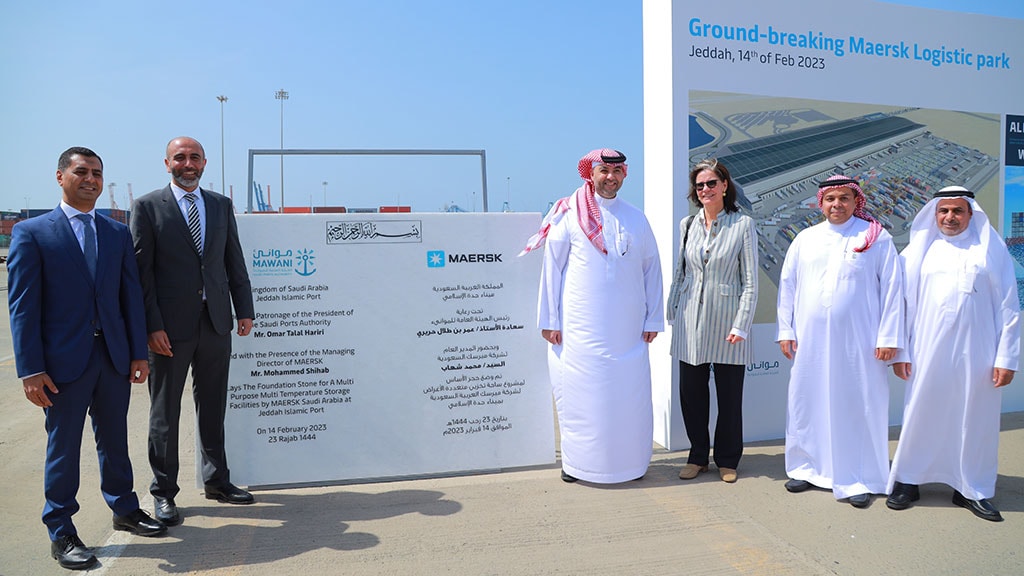
Saudi Arabia’s burgeoning e‑commerce sector has taken a strategic leap forward as the landmark partnership between Maersk Saudi Arabia and Saudi Post transitions from agreement to action. Evidence is already emerging that this alliance—anchored by Maersk’s newly launched Integrated Logistics Park in Jeddah—is beginning to streamline the kingdom’s supply chains and attract international players.

Operations in Jeddah have officially begun, with Maersk overseeing global transport, bonded warehousing, and origin-end logistics, while SPL manages express customs clearance and last-mile delivery domestically. The MoU, signed on 3 July 2025, outlines joint digital integration, combined marketing, coordinated customer service and operational efficiency.

Industry sources suggest that several multinational online retailers are in advanced talks to leverage the new gateway. Although specific names have been withheld, analysts view the integrated model as particularly attractive to Asia‑based brands seeking fast, low‑cost market entry into Saudi Arabia and the wider Gulf Cooperation Council.

Experts highlight that Maersk’s global reach combined with Saudi Post’s local footprint addresses major bottlenecks in cross-border trade—namely customs delays and fragmented distribution networks. SPL’s national infrastructure, originally developed to support Vision 2030’s economic diversification goals, now aligns seamlessly with Maersk’s logistics corridors.

Karsten Kildahl, Maersk’s Chief Commercial Officer, previously noted that global supply chains remain unpredictable, and enhanced visibility and resilience are crucial for upstream customers. This partnership directly supports those objectives via real‑time digital tracking, automated handovers, and unified service teams.

Market response has been swift. Regional logistics analysts report a 15% increase in inbound parcel volumes through Jeddah’s port cluster in the past month compared to the same period last year. While other factors—such as seasonal demand shifts—are at play, the increase aligns with the ramp‑up of cross-border operations facilitated by the Maersk–SPL alliance.

Customs officials in Jeddah confirm expedited clearances under a “premium e‑commerce lane” established within the SPL framework. They say this streamlining has shaved several days off processing times for inbound B2C shipments, helping foreign brands meet tight delivery schedules.

Saudi Post’s International Business Sales Director, Rouni Saad, stated the arrangement “is pivotal in streamlining cross‑border e‑commerce flows to and from the Kingdom … enhancing connectivity, reliability and growth opportunities across the region”. Maersk’s Ahmed Al Olaby added that combined networks would meet the growing demand for efficient fulfilment by global players entering or expanding in the Saudi market.

Consultants note that Saudi Arabia is now positioned to compete more effectively with regional hubs such as Dubai, which has long served as the GCC’s principal logistics centre. With the integrated infrastructure online, analysts predict intra‑GCC e‑commerce flows will re‑route through Jeddah over the next six to twelve months.

The alliance also aligns with Saudi Vision 2030, reinforcing the kingdom’s commitment to modernise its logistics backbone. By linking global ocean routes with domestic delivery channels, the partnership promises smoother, faster access to consumers in a market anticipated to grow double‑digit annually in e‑commerce sales.

However, questions remain around digital interoperability. The MoU commits to systems integration, but execution will depend on effective collaboration between both entities’ IT architectures. Some industry insiders stress the need for standardised APIs and seamless data sharing to avoid fragmentation.

Scaling services beyond major urban centres, and replicating integration in other GCC markets, pose additional challenges. Achieving cohesive bonded fulfilment across borders demands regulatory alignment and bilateral coordination.

Abu Dhabi’s Etihad Airways has delayed its anticipated $1 billion initial public offering until at least next month, following the Eid al-Fitr holiday, according to individuals familiar with the matter.

While the airline had not officially announced a specific date for the IPO, sources previously indicated that an announcement was expected last week, coinciding with Etihad’s report of a significant profit increase. This IPO would mark the first major Gulf airline listing in nearly two decades.

The reasons for the postponement remain undisclosed, with insiders speaking on condition of anonymity due to the sensitivity of the information. Both Etihad and its owner, Abu Dhabi’s $225 billion wealth fund ADQ, declined to comment on the matter.

Etihad, established in 2003, had planned to offer approximately 20% of its business through the IPO to fund its growth ambitions. The airline recently reported a net profit of $476 million, more than tripling its earnings from the previous year. This financial upturn follows a multi-year restructuring and management overhaul, with expansion efforts underway under the leadership of CEO Antonoaldo Neves.

The Gulf region’s airline sector has faced challenges such as delivery delays, labor disruptions, rising costs, and engine issues. In this context, Etihad’s planned IPO could present a promising opportunity for investors, highlighting the resilience and potential of the Middle Eastern aviation market.

Etihad’s strategic initiatives include enhancing Abu Dhabi’s position as a global travel hub connecting Asia and Europe. The airline aims to expand its network to over 125 destinations and increase its fleet to more than 160 aircraft by 2030. These efforts are part of the “Journey 2030” strategy, focusing on sustainable growth and operational excellence.

Abu Dhabi’s Etihad Airways has deferred its anticipated $1 billion initial public offering until at least next month, following the Eid al-Fitr holiday, according to individuals familiar with the matter. While the airline had not officially announced a specific date for the IPO, sources indicated that an announcement was expected last week, coinciding with Etihad’s report of a substantial profit increase. The reasons for the delay remain undisclosed, as those privy to the situation have chosen to remain anonymous. Both Etihad and its parent company, Abu Dhabi’s $225 billion wealth fund ADQ, have declined to comment on the postponement.

The planned IPO is significant, marking the first major listing of a Gulf airline in nearly two decades. Etihad, established in 2003, had intended to offer approximately 20% of its business through the share issuance to support its growth ambitions. The airline has undergone extensive restructuring and management changes in recent years but has shown signs of expansion under the leadership of CEO Antonoaldo Neves. In its latest financial disclosures, Etihad reported a net profit that more than tripled to $476 million, reflecting a robust recovery in the aviation sector.

The Gulf region has witnessed a surge in IPO activity as governments seek to diversify their economies beyond oil revenues. Etihad’s move to go public aligns with this broader strategy, aiming to attract foreign investment and enhance corporate governance. However, the airline industry globally has faced challenges, including delivery delays, labor disruptions, and rising operational costs. Despite these hurdles, Etihad’s planned IPO has been viewed as a potential bright spot for investors, given the airline’s strategic position and growth prospects.

The delay in the IPO may prompt investors and industry analysts to reassess the timing and valuation of the offering. Market conditions, geopolitical factors, and internal strategic considerations often influence such decisions. As the new timeline extends beyond the Eid al-Fitr holiday, stakeholders will be keenly observing Etihad’s next steps and any further communications regarding the IPO.

Arabian Post Staff -Dubai Arabian Drilling and Shelf Drilling have signed a memorandum of understanding to establish a strategic alliance aimed at enhancing their international offshore drilling capabilities. This collaboration seeks to leverage the strengths of both companies to offer comprehensive services to a broader clientele and increase their competitiveness in the global market. Under the terms of the MoU, Arabian Drilling will gain access to Shelf […]

Importers in the Gulf region can now easily access a wide range of products manufactured by India’s Micro, Small, and Medium Enterprises (MSMEs) thanks to the launch of Post Office Export Centres (POECs). This new initiative, spearheaded by India’s Ministry of Communications, aims to streamline the export process for MSMEs and provide global access to their products, specifically targeting markets like the Gulf, which holds significant trade potential for small businesses in India.

The Post Office Export Centres are designed to function as export hubs within India’s vast postal network, connecting small-scale manufacturers to international buyers. By leveraging the extensive infrastructure of the India Post system, the initiative makes it easier for businesses in the Gulf and other foreign markets to procure products directly from Indian MSMEs. With post offices already having a presence in even remote areas of the country, this expansion is expected to break down logistical barriers, especially for smaller businesses that previously lacked the resources to access international trade networks.

The launch of the POECs is part of the broader vision to promote “Made in India” goods globally, especially MSME products that often struggle to find export channels. MSMEs make up a substantial portion of India’s industrial output, and their products are diverse, ranging from handmade textiles to agricultural goods and electronic components. These enterprises form the backbone of India’s economy but have long faced challenges when it comes to reaching international markets, particularly due to complicated and expensive export processes.

India Post’s established network of over 150,000 post offices across the country is now being utilized to open avenues for MSMEs to participate in global trade. This network, one of the largest in the world, will enable businesses in the Gulf to access Indian-made goods efficiently, while also simplifying the complexities often associated with international shipping and customs processes. The Post Office Export Centres will act as intermediaries, assisting with everything from documentation to packaging and final delivery.

With the Gulf region being a major trading partner for India, this move is seen as a strategic one to strengthen trade relations further. The UAE, Saudi Arabia, Qatar, and Kuwait are some of the leading destinations for Indian exports, and the introduction of POECs will make it easier for businesses there to tap into a wide variety of Indian products. This initiative also aligns with India’s “Atmanirbhar Bharat” campaign, which encourages self-reliance and seeks to boost exports from the country’s smaller enterprises, which are often overlooked in traditional trade practices.

Through these Post Office Export Centres, Indian MSMEs will be able to list their products in a more streamlined manner for foreign buyers. The system simplifies the process of exporting by allowing these enterprises to bypass the complexities typically associated with traditional export methods, such as dealing with multiple intermediaries and navigating intricate customs procedures. Additionally, India Post will provide support in areas such as financial transactions, ensuring that payments are secure and efficiently processed.

This move is expected to bring about a considerable shift in how MSMEs interact with the global market. By utilizing the postal system, which is known for its trust and reliability, India Post is positioning itself as a crucial facilitator of international trade for smaller businesses. The initiative also promises to open doors for a broader range of products, including those from underserved sectors like handicrafts, textiles, and regional food products.

The launch of POECs underscores a significant push towards enhancing digital infrastructure within the Indian postal system. While physical infrastructure remains key, the integration of online platforms for cataloging products, processing orders, and tracking shipments is also a crucial part of the system. The digitalization aspect will ensure that MSMEs are equipped to handle international trade in a manner consistent with global standards, fostering transparency and improving overall efficiency.

For businesses in the Gulf, this system will enable greater access to the vast array of goods that India produces. This is especially significant as Gulf countries have long been important partners for Indian exporters, with a growing demand for diverse products that include textiles, spices, and high-tech gadgets. The opening of these export centres makes the procurement of Indian goods more accessible and cost-effective for Gulf-based importers.

Experts view the initiative as a win-win for both India and the Gulf region. For India, the initiative will boost the export of MSME products and contribute to economic growth, while for the Gulf, it will bring in affordable and high-quality products from India. Additionally, the ease of access through the Post Office Export Centres offers a level of convenience that has been missing in the past, particularly for small-scale importers who often find it difficult to engage in international trade.

Following the victory of Donald Trump in the 2024 U.S. presidential elections, the UAE has experienced a significant surge in remittance flows, with major beneficiaries being India and the Philippines. This spike is attributed to a combination of factors, including a shift in economic dynamics, increasing confidence in the stability of the global economy, and adjustments in the exchange rates. With these countries historically being some of the largest recipients of remittances from the UAE, the recent growth reflects deeper patterns in the region’s labor markets, trade relations, and the broader economic impact of political developments in the United States.

The rise in remittances highlights an enduring trend of expatriates from South Asia and Southeast Asia sending money home, especially in the face of shifting geopolitical and economic landscapes. While the UAE has long been a hub for foreign workers, the current influx of financial support underscores both the strength of these diasporas and their economic significance to the countries of origin. India and the Philippines, two of the top remittance-receiving nations globally, have seen increases that could have significant effects on their local economies, particularly in terms of poverty reduction, infrastructure development, and consumption spending.

For India, which is consistently one of the largest recipients of remittances globally, the increase reflects ongoing economic stability. Many Indian workers in the UAE are employed in sectors such as construction, hospitality, and services, industries that have been impacted by fluctuating global demand. However, with Trump’s victory, there has been a renewed optimism about the UAE’s economic outlook, boosting confidence among remitters. Additionally, the Indian Rupee’s performance against the UAE Dirham has also played a crucial role in making remittance transfers more lucrative for Indian workers, with an improved exchange rate encouraging them to send more money home.

Philippine remittance volumes have mirrored this surge, driven by the large number of Filipino workers across various sectors in the UAE. The increase in remittances to the Philippines is tied to both economic and political factors. With Trump’s win, many Filipino workers have reported feeling more confident in their job security within the UAE, leading to higher disposable incomes and an increased desire to support their families back home. The Duterte administration’s improved diplomatic relations with the UAE, as well as the UAE’s robust labor laws, have also contributed to a more secure working environment for Filipino expatriates. Furthermore, the Philippine government has actively encouraged remittances as a key element in sustaining the country’s economic growth, which is evident in the increased financial flows back home.

One of the key drivers behind the rising remittance numbers is the favorable exchange rate that has emerged following Trump’s victory. The UAE Dirham is pegged to the U.S. Dollar, and with Trump’s anticipated pro-business policies, many economists predict continued economic growth in the region, leading to stronger currencies like the Dirham. As a result, workers from India and the Philippines are able to send larger amounts of money home for each unit of foreign currency they earn.

This surge also aligns with broader trends in global migration patterns, where many labor-exporting countries have seen their nationals continue to seek employment in the UAE despite challenges posed by the global economy. With job opportunities available in sectors like construction, health care, and information technology, both India and the Philippines remain major exporters of labor to the UAE, a relationship that continues to be a vital component of both nations’ economic strategies.

Another factor influencing the rise in remittances is the UAE’s active role in international trade. Trump’s foreign policy outlook, which tends to favor global markets and open trade policies, has reinforced investor confidence in the UAE, positioning it as a leading financial center in the region. This has had a trickle-down effect on remittances, as expatriates feel more secure in sending money back home, knowing that the overall economic stability of the UAE is likely to hold steady.

For both India and the Philippines, remittances are a critical pillar of economic support. The funds sent by workers abroad contribute significantly to the countries’ GDP, provide direct financial assistance to households, and bolster government revenues. In India, remittances have been linked to the reduction of poverty, greater access to education and healthcare, and even the growth of small businesses. Similarly, in the Philippines, remittances support everything from consumer spending to investments in rural development and infrastructure projects.

Despite the positive impact of these remittance flows, challenges persist. The COVID-19 pandemic had a brief dampening effect on global remittances due to economic uncertainties and travel restrictions, but the post-pandemic recovery has led to a strong rebound in money transfers, especially from the UAE. Many of the expatriate workers in the UAE rely heavily on their income to support families in their home countries, making the rise in remittances particularly crucial for those living in more economically vulnerable regions.


OPEC+ has announced a delay in the anticipated resumption of oil supply cuts, reflecting the ongoing challenges within the global crude market as prices continue to struggle. This decision follows a meeting of the coalition’s Joint Ministerial Monitoring Committee, where key players voiced concerns over persistent low oil prices and their impact on market stability.

In its recent deliberations, OPEC+ leaders emphasized the need for a strategic approach to support oil prices, which have seen significant fluctuations in the past year. Current benchmarks for crude oil have hovered around $80 per barrel, well below the levels needed for many member countries to balance their budgets. The ongoing geopolitical tensions and the potential economic fallout from inflationary pressures have further complicated the landscape, prompting OPEC+ to reconsider its production strategy.

The decision to delay the resumption of supply cuts is particularly notable given that earlier predictions had pointed towards an increase in production levels by the end of the year. Several member states, particularly those reliant on oil revenue, had anticipated a gradual easing of the cuts implemented to stabilize the market amid the COVID-19 pandemic. Instead, the coalition now appears to be adopting a more cautious stance, prioritizing price recovery over volume increase.

Saudi Arabia, the de facto leader of OPEC, has been vocal in advocating for measures to sustain oil prices. The Kingdom’s Energy Minister, Prince Abdulaziz bin Salman, reiterated the importance of market stability, emphasizing that the organization must remain vigilant in its assessment of global demand and supply dynamics. His remarks highlight the broader sentiment among OPEC+ members regarding the delicate balance required to navigate current market conditions.

Market analysts have pointed to several factors contributing to the ongoing volatility in oil prices. Demand forecasts have been revised downward, largely influenced by slowing economic growth in major economies such as China and Europe. Additionally, concerns regarding a potential resurgence of COVID-19 variants and their impact on global mobility have added to the uncertainty. As a result, some analysts project that oil demand may not rebound to pre-pandemic levels for some time.

Iran’s position within OPEC+ has also added complexity to the group’s dynamics. With ongoing negotiations surrounding the Joint Comprehensive Plan of Action, there is speculation about Iran’s potential return to the market. Should sanctions be lifted, the influx of Iranian oil could further exacerbate supply challenges, undermining efforts to stabilize prices. The coalition remains divided over how to handle Iran’s situation, as some members fear that increased production from Iran could lead to an oversupply, thereby pushing prices lower.

U.S. shale production continues to be a significant player in the global oil market. The American shale industry has proven to be remarkably resilient, adapting quickly to changing price environments. As crude prices struggle, shale producers have ramped up production, providing a counterbalance to OPEC+’s efforts to restrict supply. This dynamic has led to a tug-of-war in the market, with OPEC+ trying to manage its output while the U.S. shale industry responds to price signals by increasing production.

As OPEC+ deliberates its next steps, the energy market is also keeping a close eye on the potential impacts of environmental policies and the transition towards renewable energy sources. The global shift towards sustainability and decarbonization is expected to influence long-term oil demand. Many analysts predict that the transition could accelerate, particularly as countries commit to more aggressive climate goals. This has raised questions about the future role of oil in the global energy mix and how OPEC+ will adapt to these changes.

Looking ahead, OPEC+ faces the challenge of balancing its traditional role as a stabilizer in the oil market with the evolving landscape of energy consumption and production. The coalition’s next meeting, scheduled for December, will be crucial in shaping its strategy. Participants will likely focus on assessing both the short-term market outlook and the long-term implications of the ongoing transition towards alternative energy sources.

As the security situation in Lebanon deteriorates due to the ongoing regional conflict, Citigroup has taken steps to relocate some of its staff from the country. This decision follows reports of heightened cross-border violence and rising concerns about potential escalation near the Lebanese-Israeli border. Such actions underscore the increasing risks that multinational corporations face while operating in Lebanon, which has been grappling with intensified instability in the region.

Citigroup’s decision is part of a larger pattern among multinational firms reassessing their Middle Eastern operations. The bank is implementing contingency plans to ensure the safety of its employees, reflecting a broader trend among foreign companies facing difficult operating environments. Citigroup’s relocation efforts align with its long-standing emergency preparedness measures, designed to protect employees and maintain critical operations during crises.

A vibrant new destination for dining enthusiasts has emerged in Muscat with the launch of Roberto’s Muscat, nestled within The St. Regis Al Mouj Muscat Resort. This establishment brings the essence of Italian cuisine, infused with Mediterranean influences, to Oman’s capital, embodying the spirit of “Dolce Vita” in every aspect of its offering.

Guests at Roberto’s Muscat can embark on a culinary journey characterized by the finest ingredients, including wild-caught fish, prime-aged meats, and organic produce. The menu has been carefully curated to evoke cherished memories and foster new traditions through authentic Italian dishes. Each plate reflects a commitment to quality and craftsmanship, delivering an experience that delights the senses.

A highlight of the dining experience is the dessert selection, which features signature offerings such as Gelato Verde Oro—pistachio gelato drizzled with Sicilian olive oil. This creation epitomizes the restaurant’s dedication to melding traditional Italian flavors with innovative presentations, ensuring a memorable conclusion to any meal.

The setting of Roberto’s Muscat enhances the dining experience, with a cooled terrace that overlooks the stunning Gulf of Oman. This outdoor space accommodates 24 guests, providing a relaxed atmosphere for al fresco dining while indoor seating for 82 creates an elegant yet inviting environment suitable for intimate gatherings and larger celebrations alike.

For those seeking a more intimate atmosphere, Scala Lounge presents a hidden retreat within the restaurant. This speakeasy-style bar, which seats 32, offers an array of rare spirits and expertly crafted cocktails, complemented by live entertainment. It’s positioned as an ideal spot for unwinding after a long day, embodying the luxury and relaxation synonymous with Roberto’s brand.

Andrea Sacchi, Chief Operating Officer of Skelmore Hospitality Partners, expressed enthusiasm about the new opening, stating, “We are excited to bring the Roberto’s experience to the shores of Muscat and continue our partnership with the Al Fardan Group and Marriott International at The St. Regis Al Mouj Muscat Resort—a seaside location where Roberto’s ‘Dolce Vita’ will embrace the rhythm of a relaxed holiday on the Arabian coast.” This sentiment highlights the strategic vision behind the restaurant, aimed at creating a unique dining experience that resonates with both locals and visitors.

Tarek Mourad, General Manager of The St. Regis Al Mouj Muscat Resort, echoed this excitement, sharing his admiration for the Roberto’s concept: “Its vibrant energy, cosmopolitan flair, and intensely Italian cuisine make it a perfect fit for Muscat, and we’re ecstatic to present this to our guests.” This endorsement underscores the anticipated impact of Roberto’s Muscat on the local dining scene.

Roberto’s Muscat aims to distinguish itself in a competitive market by blending Italian and Mediterranean culinary traditions with an inviting ambiance. The restaurant’s design reflects modern aesthetics while maintaining a warm and hospitable environment, characteristic of Italian culture. This balance is poised to attract a diverse clientele, from food aficionados to families seeking quality dining experiences.

This establishment is part of a broader expansion strategy for the Roberto’s brand, which has solidified its reputation in Dubai since its inception in 2012. Building on its success, Roberto’s has ventured into international markets, including Porto Montenegro and Amman, with additional locations planned in Egypt and Saudi Arabia. This growth trajectory emphasizes the brand’s commitment to redefining modern Italian dining across diverse locales.

Roberto’s Muscat stands out not just for its culinary offerings but also for its attention to service excellence. The team is trained to deliver polished service, enhancing the overall dining experience. Guests can expect a personalized touch that complements the restaurant’s upscale environment, further solidifying its status as a premium dining destination.

VISHNU RAJA
RYO YAMADA
HITORI GOTOH
IKUYO KITA